Travel Trailers for Sale Near Me: A Smart Guide
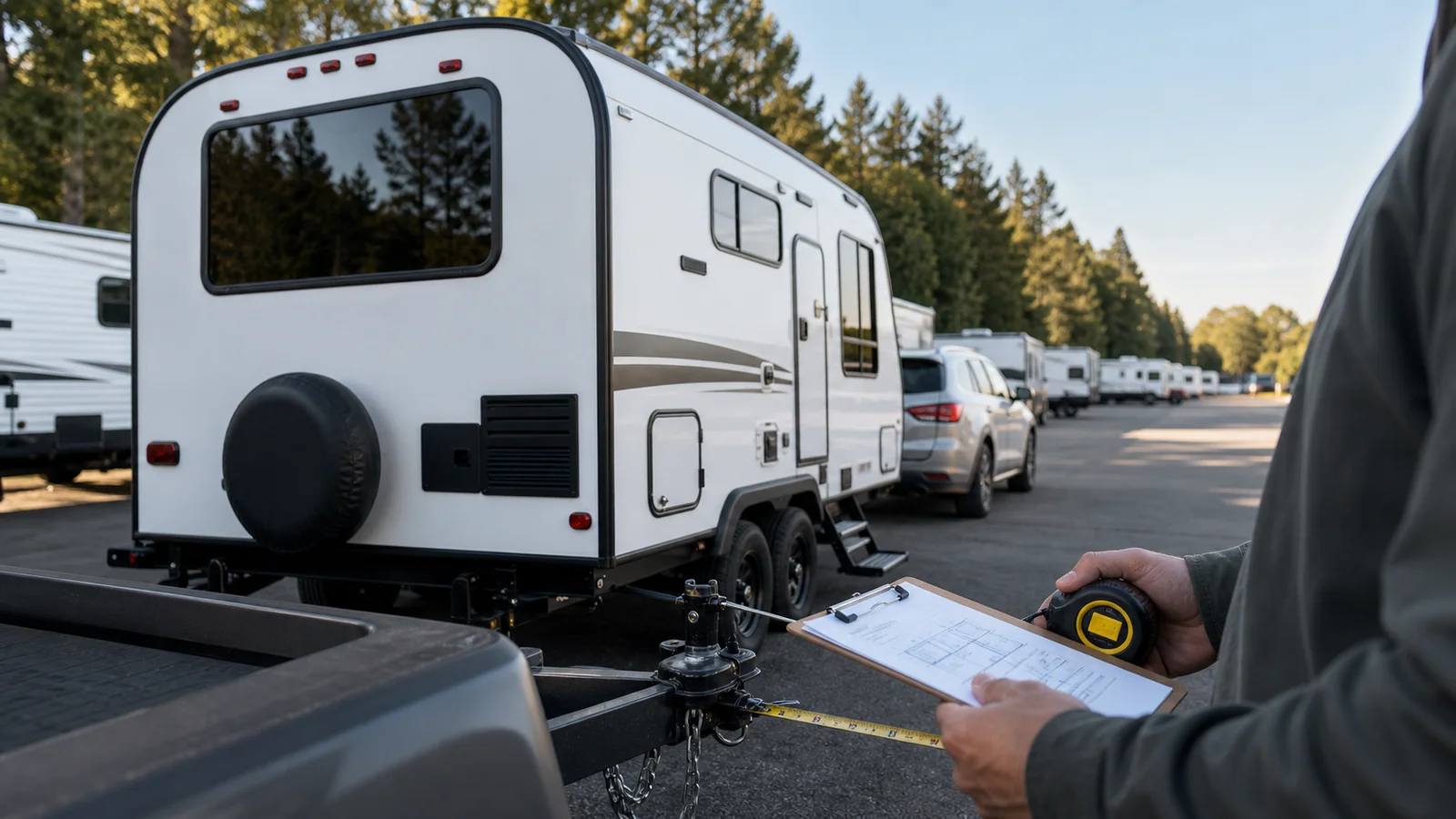
Local Trailer Shopping Should Start Before the Dealer Lot
Searching for travel trailers for sale near me can open a flood of listings: compact teardrops, family bunkhouses, used fiberglass trailers, dealer specials, private-party rigs, and glossy floor plans that all promise easier travel. The search feels local, but the decision is bigger than distance from your ZIP code.
A travel trailer changes how you move. It can make slow road trips easier by giving you a familiar bed, simple cooking setup, and flexible stops outside city centers. It can also add towing stress, storage fees, maintenance, insurance, campground planning, and parking limits you do not feel during a hotel-based trip.
The goal is not to find the nearest trailer today. It is to find the smallest, safest, most livable trailer that fits your vehicle, your storage reality, and the kind of mornings you actually want on the road.
First, Decide What a Trailer Is Supposed to Fix
Before comparing floor plans, name the problem you want a travel trailer to solve.
| Travel goal | Trailer feature that may help | Watch out for |
|---|---|---|
| Weekend road trips | Small trailer, fast setup, easy storage | Buying more trailer than short trips need |
| Long slow routes | Real bed, usable kitchen, good ventilation | Maintenance and campground planning |
| National park base camps | Ground clearance, tank capacity, solar option | Site length and road restrictions |
| Remote work travel | Dinette or desk space, power setup, quiet HVAC | Weak connectivity or cramped seating |
| Family trips | Bunks, storage, bathroom access | Tow weight and crowded rainy days |
| City-plus-nature trips | Compact length, easy parking, fast hitching | Urban storage and campground distance |
If your real desire is flexible city wandering, a trailer may be part of the trip rather than the whole trip. You might park outside a city, use transit in, and keep the trailer as a calm base. That works best with a smaller rig and careful site choice.
Know the Main Travel Trailer Types
Local listings often mix trailer styles together. Sorting them first saves time.
| Trailer type | Best for | Tradeoff |
|---|---|---|
| Teardrop or micro trailer | Minimalist sleepers, small tow vehicles, quick weekends | Tiny indoor living space, limited bathroom options |
| Small conventional trailer | Couples, light packers, simple campsites | Compact tanks and storage |
| Bunkhouse trailer | Families or groups | Heavier, longer, more to clean and store |
| Fiberglass trailer | Durability, simpler shells, resale interest | Higher used prices in some markets |
| Toy hauler | Bikes, boards, gear, flexible garage space | Heavier and more specialized |
| Destination-style trailer | Seasonal sites and long stays | Usually poor fit for frequent towing |
Do not let a beautiful interior hide a poor match. A trailer that is pleasant once parked can still be exhausting if it is too heavy, too long, or too fussy to hitch for the kind of trips you take.
Check Your Tow Vehicle Before You Fall in Love
This is the hard gate. Your tow vehicle decides which trailers are realistic.
Start with the vehicle’s owner’s manual and door sticker, not a salesperson’s guess. You need to understand:
- Maximum tow rating
- Gross vehicle weight rating
- Gross combined weight rating
- Payload capacity
- Tongue weight limits
- Hitch class and receiver rating
- Brake controller needs
- Whether weight distribution is allowed or required
- Tire load ratings
The National Highway Traffic Safety Administration emphasizes matching the tow vehicle, hitch, trailer, and load so the combination stays within ratings. That matters because the trailer’s dry weight is not the full travel weight. Batteries, propane, water, food, gear, bikes, tools, and options all add up.
A calm rule: shop well below the maximum rating, especially if you plan mountain roads, hot weather, long interstate days, or city traffic. A trailer that technically fits the number may still feel tiring to tow.
Understand the Weight Numbers
Travel trailer listings often show several weights. They are not interchangeable.
| Term | What it means | Why it matters |
|---|---|---|
| Dry weight | Trailer weight before cargo, water, and many trip items | Useful starting point, not your travel weight |
| GVWR | Maximum allowed loaded trailer weight | Your loaded trailer should stay under this |
| Cargo carrying capacity | How much weight can be added | Helps judge water, gear, food, and options |
| Tongue weight | Weight pressing down on the hitch | Counts against vehicle payload |
| Payload | Weight your vehicle can carry, including people, cargo, and tongue weight | Often the limiting number |
Payload surprises many first-time buyers. Passengers, pets, luggage, a full cooler, roof box, hitch hardware, and tongue weight all count. If the payload number is low, a trailer that looks towable on paper may not be practical once people and gear are inside the vehicle.
New vs Used Travel Trailers
Both can make sense. The better choice depends on your skill level, budget, timeline, and tolerance for repairs.
| Option | Why it can work | What to check |
|---|---|---|
| New from dealer | Warranty, financing options, current floor plans, easier comparison | Dealer fees, warranty process, first-year defects, depreciation |
| Used from dealer | Some inspection, possible limited warranty, trade-in convenience | Markup, unknown history, vague reconditioning |
| Used private party | Lower price potential, direct owner story | No dealer support, title issues, hidden water damage, loan payoff complexity |
| Rental-to-own mindset | Try before buying similar layouts | Rental wear, different specs, limited model overlap |
Do not assume new means trouble-free. RV quality varies, and warranty service can require patience. Do not assume used means a bargain either. Water intrusion, roof neglect, tire age, and poor repairs can turn a cheap trailer into an expensive education.
For broader trip support, our guide to finding a travel agent near you makes a similar point: the service or seller matters, but the written details matter more.
Inspect for Water Before Decor
Water damage is one of the biggest travel trailer risks. Look before you admire the cushions.
Check:
- Roof seams and sealant
- Ceiling stains or soft spots
- Wall bubbles or ripples
- Floor softness near doors, corners, bathroom, and slide rooms
- Window frames and storage compartments
- Musty smell
- Rust or staining around screws
- Underbelly damage
- Cabinets near plumbing
Bring a flashlight. Open compartments. Walk slowly. If a seller rushes you, that is useful information.
A professional RV inspection can be worth it, especially for used trailers, larger rigs, slide-outs, or any trailer with visible signs of leaks. If the seller refuses an inspection, be ready to leave.
Check Tires, Brakes, Bearings, and Safety Gear
A trailer is not only a tiny room. It is a road vehicle.
Before buying, inspect or verify:
- Tire date codes and condition
- Spare tire age and mounting
- Brake function
- Wheel bearings and service history
- Breakaway switch and battery
- Safety chains
- Lights and wiring
- Stabilizer jacks
- Frame rust or cracks
- Propane system condition
- Fire extinguisher and detectors
Trailer tires can age out before the tread looks worn. A low-mileage trailer that sat in the sun may still need tires. Budget for that before you decide the listing price is fair.
If you are not comfortable judging these systems, pay someone who is. Towing a trailer with weak brakes or old tires can ruin a trip faster than an ugly floor plan.
Walk Through the Floor Plan Like a Real Day
A floor plan should be judged in motion. Pretend it is raining, dark, or early morning.
Ask:
- Can one person get out of bed without climbing over another every time?
- Can you reach the bathroom with the slide closed, if there is a slide?
- Can you use the fridge at a rest stop?
- Is there a place for wet shoes?
- Can you sit comfortably for an hour?
- Does the dinette fit your laptop, map, or breakfast?
- Is the bed long enough?
- Is there cross-ventilation?
- Where do towels dry?
- Where does trash go?
For slow travel, the small frictions matter. A trailer is pleasant when it reduces daily setup, not when it becomes a puzzle box every morning.
Think About Storage Before Ownership
Many buyers search locally because they picture quick weekend escapes. The trailer still needs to live somewhere between trips.
Check:
- Whether your driveway or HOA allows trailer parking
- City rules for street parking
- Storage lot monthly cost
- Covered storage cost
- Distance from storage to home
- Access hours
- Security and lighting
- Whether you can plug in or maintain batteries
- Winterization needs
- Insurance requirements while stored
A cheap trailer stored far away can become hard to use. If every trip starts with a long drive to a storage lot, hitching in the dark, and loading from two locations, the trailer may stop feeling spontaneous.
Estimate the Real Cost
The purchase price is only one part of owning a travel trailer.
Budget for:
- Sales tax and registration
- Dealer documentation or prep fees
- Insurance
- Financing interest, if used
- Hitch setup and brake controller
- Weight distribution or sway control, if appropriate
- Storage
- Tires
- Batteries
- Propane
- Winterization
- Roof sealing and maintenance
- Campground fees
- Dump station or tank supplies
- Tools, leveling blocks, hoses, and cords
- Fuel economy loss while towing
This is where a smaller trailer can win. Lower weight can reduce tow vehicle strain, storage headaches, site restrictions, and setup time. The smallest trailer that works well is often better than the largest trailer you can technically afford.
Compare Local Listings Without Getting Pulled Around
Local searches can be noisy. Dealer ads may show teaser prices, sold units, or monthly payments that hide fees. Private listings may skip key details.
Create a simple comparison table before visiting.
| Listing detail | Why it matters |
|---|---|
| Year, make, model, trim | Avoid comparing different layouts by accident |
| VIN | Helps with title, recalls, and insurance checks |
| Dry weight and GVWR | Screens tow fit |
| Length | Affects storage, campsites, and towing comfort |
| Tank sizes | Matters for dry camping and longer stays |
| Tire date | Flags immediate replacement cost |
| Roof/seal history | Helps judge water risk |
| Slide-outs | Adds space but also complexity |
| Included equipment | Hoses, cords, sway control, batteries, solar |
| Out-the-door price | Makes dealer comparisons honest |
Ask for the out-the-door price in writing before you drive across town. If the answer is evasive, you have learned something.
Take a Test Tow if You Can
Some dealers and private sellers will not allow a full test tow, but you should at least see the trailer hitched, lights working, and systems demonstrated. If a test tow is possible, use it.
Notice:
- How the vehicle squats when hitched
- Whether mirrors give enough visibility
- Brake feel
- Sway or bounce
- Turning radius
- Backing visibility
- How stressful fuel stops or parking lots feel
- Whether you can hitch and unhitch without rushing
If towing feels overwhelming, do not shame yourself into buying anyway. You can practice, take a towing class, choose a smaller trailer, rent first, or decide that hotels and cabins fit your travel style better.
Our travel to Sedona guide is a useful reminder that driving destinations already require route and parking judgment. A trailer adds another layer to that decision.
When Renting First Is Smarter
Renting a similar trailer for a weekend can save money, even if the rental feels expensive. It shows you what the listing cannot.
Rent first if:
- You have never towed overnight.
- You are unsure about bed size or bathroom needs.
- Your partner or family has different comfort expectations.
- You want to test campground routines.
- You are deciding between compact and larger layouts.
- Storage costs make ownership questionable.
- You only expect a few trips per year.
During the rental, pay attention to the awkward parts: packing, hitching, leveling, tank dumping, wet towels, cooking, sleeping, and driving home tired. Those details predict ownership better than a showroom walkthrough.
Red Flags in a Local Listing
Be cautious when you see:
- No title or unclear ownership
- “Only needs a little sealing” around water damage
- Strong air freshener or musty smell
- Recent paint or flooring with no repair records
- Tires with old date codes
- Seller unwilling to show roof, underbody, or systems
- Pressure to skip inspection
- Price far below similar listings with no clear reason
- Missing VIN in paperwork
- Dealer unwilling to provide out-the-door pricing
- Private seller asking for unusual payment methods
For any vehicle-style purchase, boring paperwork is good. A clear title, matching VIN, written bill of sale, and realistic inspection are more comforting than a polished photo gallery.
FAQ
Is buying a travel trailer worth it?
It can be worth it if you travel often enough, have a suitable tow vehicle, can store it easily, and enjoy campground routines. It is less worth it if you only want occasional lodging flexibility.
What size travel trailer should I buy first?
Start with the smallest trailer that fits your sleep, bathroom, storage, and weather needs while staying comfortably within your vehicle’s towing and payload limits.
Should I buy new or used?
New can offer warranty support and current layouts, but it costs more and can still have defects. Used can save money, but inspection for water damage, tires, brakes, title, and maintenance history is essential.
Can my SUV tow a travel trailer?
Maybe. Check the owner’s manual, door sticker, tow rating, payload, hitch rating, and loaded trailer weight. Do not rely on dry weight or a single online listing number.
What should I inspect first in a used travel trailer?
Start with water damage, roof seams, floor softness, tires, brakes, frame condition, electrical systems, propane safety, and title paperwork. Decor comes later.
The Bottom Line
Travel trailers for sale near me is a useful search, but distance should not lead the decision. Start with your tow vehicle, your storage reality, your real trip rhythm, and the smallest floor plan that makes road days calmer.
The right trailer supports slow travel without making every mile feel complicated. Buy for the whole routine: where it sleeps, how it tows, how it parks, how it handles rain, and how easily you will still want to use it after the first shiny weekend.
You might also like
Travel Trailer Furnace Repair: Safe First Checks
Troubleshoot a travel trailer furnace safely with basic checks, warning signs, and clear rules for calling an RV technician.

Travel Tea: How to Pack and Brew Calmly
Pack travel tea without fuss by choosing the right leaves, tools, water routine, and airport-friendly setup.

Travel Brochure: How to Use One for Slow Trips
Turn a travel brochure into a flexible city plan by reading maps, neighborhoods, transit, seasons, and local clues.