Travel Inn: How to Choose a Simple City Stay
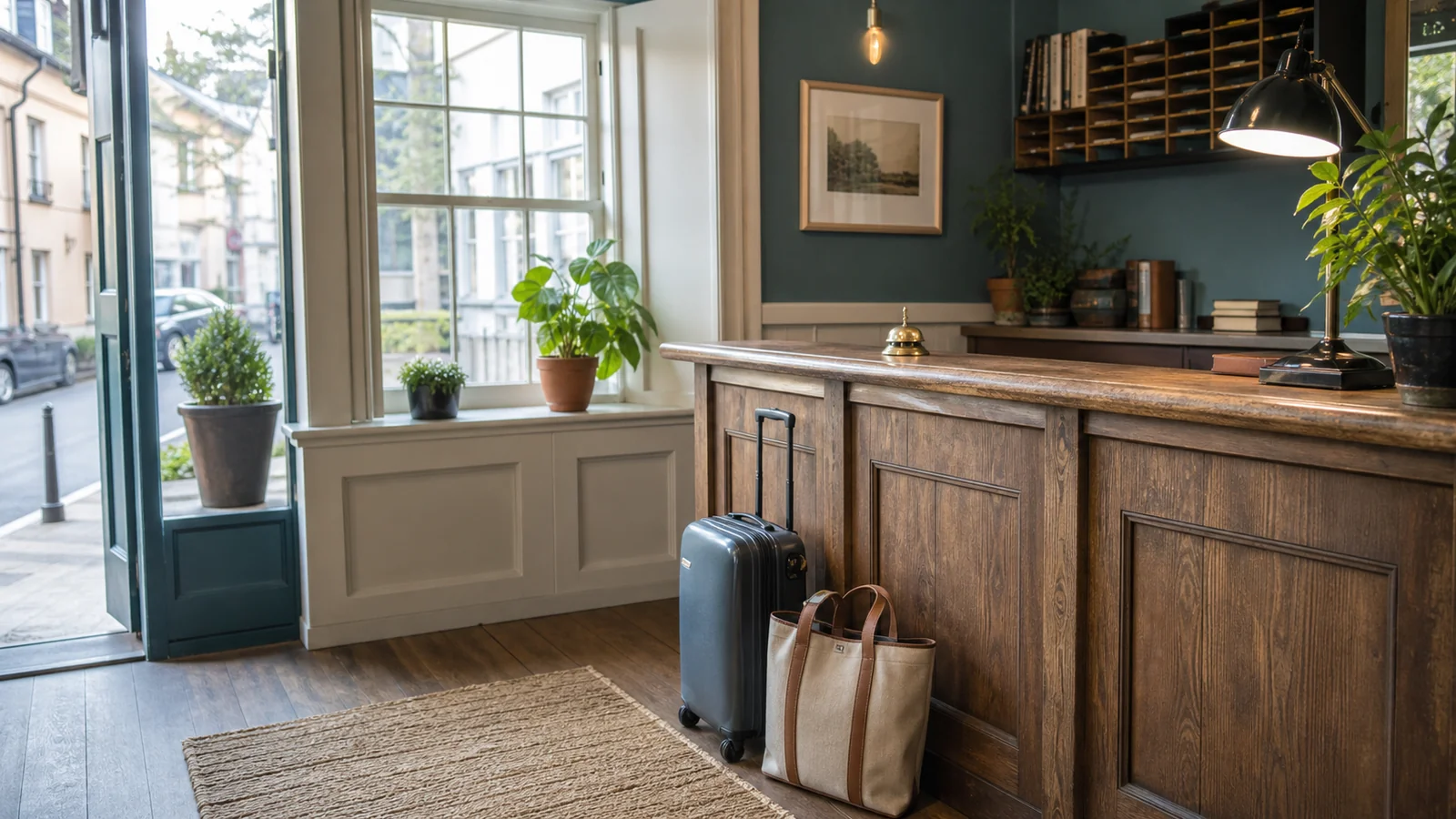
A Travel Inn Can Be Useful When the Basics Are Right
A travel inn is not one exact kind of lodging. In search results, the name can point to a small independent inn, a roadside motel-style property, a budget hotel, or a branded place using “inn” as part of its name. That makes the phrase useful but a little slippery. You cannot judge the stay from the word alone.
For slow city travel, the best travel inn is simple in the right ways. It gives you a clean room, a location that makes walking or transit easy, clear pricing, enough sleep, and a staff process that does not make small problems hard. You do not need a spa, a huge lobby, or a perfect breakfast if the place lets the trip breathe.
The risk is that “basic” can hide real tradeoffs. A low nightly rate can become less useful if the property sits beside a highway, adds fees at checkout, has thin walls, or requires expensive rides into the neighborhoods you actually came to see.
Use the name as a starting point. Then judge the property like a traveler who cares about mornings, distance, noise, and the small frictions that shape a stay.
Know What “Inn” Usually Signals
Inns are often smaller than full-service hotels and may offer fewer amenities. Some are family-run or independent. Others are ordinary chain properties with “Inn” in the brand name. Motels often have exterior room access and car-friendly layouts. Hotels are usually larger, with interior corridors and more services.
Those lines blur in real life. A city “inn” can feel like a compact hotel. A roadside “inn” can function like a motel. A historic inn can feel closer to a bed and breakfast. Do not get stuck on the label.
What matters is the actual experience:
- How many rooms does the property have?
- Are rooms entered from an interior hallway or outside?
- Is there staffed reception, limited-hour check-in, or self check-in?
- Is breakfast included, optional, or not offered?
- Is parking available, required, or expensive?
- Is the property built for drivers, walkers, or both?
If you are planning a city stay, location and noise often matter more than the category name.
Step 1: Decide What Job the Inn Needs to Do
Before you compare prices, decide why this stay makes sense. A travel inn can be a smart choice when you want a practical base rather than a destination property.
It works well for:
- A one- or two-night stop between larger plans
- A budget city break where you will spend most of the day outside
- A rail or road trip where late check-in matters
- A small town or edge-of-city base with limited hotel choices
- A quieter alternative to a large convention hotel
- A simple room near a neighborhood you want to explore
It may be the wrong fit if you need strong concierge support, luggage handling, room service, a full gym, a large workspace, or guaranteed all-day staffing. None of those needs are unreasonable. They just change what you should book.
For a Mapless Mornings-style trip, we usually want an inn to solve three things: a restful night, an easy first walk, and a simple way back when the day runs long.
Step 2: Check the Location Like You Will Actually Move
The map pin can look fine until you imagine the first morning. Zoom in and check the streets around the property, not just the distance to a landmark.
Look for:
- A transit stop you would use after dark
- Walkable cafes, bakeries, or small grocery stores
- Sidewalks on the route you expect to take
- A realistic distance to the neighborhood, station, or waterfront
- Busy roads, rail lines, late-night bars, or event venues nearby
- Hills, underpasses, or awkward crossings with luggage
A travel inn on the edge of a city can be a good value if transit is reliable. It can become expensive if every interesting area requires a ride-share. Before booking, map one real day: morning coffee, first neighborhood walk, afternoon rest, evening dinner, and return. If that day looks clumsy, the cheaper room may not be cheaper in practice.
If you are still choosing the wider trip, our guide to where to travel in summer uses a similar rhythm-first way to judge destinations.
Step 3: Read Reviews for Patterns, Not Drama
Reviews are useful when you read them for repeated details. One angry review can be unfair. Ten reviews mentioning the same problem are a signal.
Search the newest reviews for:
- Noise from traffic, doors, bars, or neighboring rooms
- Cleanliness patterns in bathrooms and bedding
- Heating, air-conditioning, or ventilation problems
- Wi-Fi reliability if you need to work
- Check-in delays or limited desk hours
- Parking confusion
- Unclear fees or deposits
- Safety comments about the entrance or surrounding block
Pay attention to traveler type. A road tripper with a car may love a location that feels awkward for a train traveler. A family may notice different details than a solo traveler. A business traveler may care more about desk space and quiet than breakfast charm.
The most helpful reviews often sound boring. “Room was clean, walls were thin, five-minute walk to the tram, breakfast was basic” tells you more than a dramatic one-line complaint.
Step 4: Compare the Total Price, Not the First Price
The room rate is only part of the cost. For U.S. bookings, upfront fee rules for hotels and short-term lodging make mandatory fees easier to compare, but you should still read the final checkout screen carefully. Outside the U.S., disclosure habits vary by platform and country.
Check for:
- Resort, destination, amenity, or service fees
- Parking charges
- Cleaning fees on apartment-style properties
- Early check-in or late check-out fees
- Breakfast cost
- Local taxes
- Refundability rules
- Security deposits or card holds
Two inns with the same nightly rate can land very differently once you add parking, breakfast, and transit. If you are traveling light with a backpack, a slightly higher rate near transit may beat a cheaper room outside the center. If you are driving, free parking may matter more than being near a metro stop.
For compact trips, your bag also affects lodging choice. A smaller setup, like the one in our budget travel backpack guide, gives you more freedom to choose stairs, older buildings, and station-area stays without turning arrival into a workout.
Step 5: Check Sleep Conditions Before Amenities
Amenities are easy to market. Sleep quality is harder to judge, but it matters more. A simple inn with a quiet room can serve a trip better than a flashy place where you wake up tired.
Look closely at:
- Window type and street exposure
- Room location options, such as courtyard-facing or upper floor
- Air-conditioning or heating control
- Elevator access if stairs are hard for you
- Bed size and room size
- Blackout curtains or bright exterior lights
- Recent comments about mattresses and pillows
If the property has exterior corridors, ask whether your room opens near parking, stairs, ice machines, or late-night foot traffic. If it is in an old building, charm may come with creaky floors and smaller rooms. That can be fine. It is better when you expect it.
Step 6: Match Check-In to Your Arrival
Basic inns can have limited staffing. That is not a problem if the process is clear. It becomes stressful when you arrive late, your phone is low, and the instructions are vague.
Before booking, check:
- Reception hours
- Late arrival procedure
- Self check-in instructions
- ID and card requirements
- Luggage storage before or after the stay
- Cancellation deadline in the property’s local time
- Emergency contact method
If you are arriving by train, flight, or long drive after normal desk hours, message the property before you book or immediately after. Ask how late arrival works and keep the answer where you can find it offline.
Step 7: Use a Quick Safety Filter
Safety is not about assuming the worst. It is about removing avoidable friction, especially when you are tired or traveling alone.
Check the entrance on street-view tools when available. Look at lighting, nearby businesses, transit access, and whether the route from the stop seems active or isolated. Read reviews for practical details such as door locks, staff presence, parking lot lighting, and whether guests mention feeling comfortable returning at night.
For solo travelers, a staffed front desk or secure interior hallway may matter more than a slightly lower price. For drivers, parking location may matter more than lobby style. For walkers, the last three blocks of the route can matter more than the star rating.
Trust your practical discomfort. If a property saves money but adds a return walk you will dread every night, keep looking.
When a Travel Inn Is Better Than a Big Hotel
A smaller inn can be the better choice when you want less friction and more neighborhood texture. It may be closer to local cafes, independent shops, old streets, or a transit line that larger hotels ignore. It can also feel calmer than a lobby full of tour groups or conference traffic.
Choose the inn if:
- The location fits your daily rhythm.
- Reviews repeatedly mention clean rooms and helpful staff.
- The final price is clear.
- You do not need full-service amenities.
- The room setup matches your sleep needs.
- The property gives clear check-in instructions.
Choose the larger hotel if you need more staffing, stronger accessibility guarantees, a restaurant on-site, loyalty benefits, a predictable workspace, or a wider range of room options.
The best choice is not the most charming one. It is the one that supports the way you will actually spend the trip.
A Simple Booking Checklist
Use this checklist before you commit:
| Question | Why it matters |
|---|---|
| Can I reach the areas I care about without a car? | Saves time and ride costs |
| Do recent reviews repeat any serious issue? | Patterns are stronger than single complaints |
| Is the total price clear before payment? | Avoids surprise fees and poor comparisons |
| Will check-in work with my arrival time? | Prevents late-arrival stress |
| Can I sleep there comfortably? | Noise and temperature shape the whole trip |
| Is the return route comfortable after dark? | Matters for solo and transit-based travel |
If one answer is weak, that may be manageable. If three answers are weak, the inn is probably solving price while creating a new problem.
FAQ
Is a travel inn the same as a hotel?
Not always. Some inns operate like small hotels, while others feel closer to motels, bed and breakfasts, or basic roadside lodging. Read the property details instead of relying on the word “inn.”
Is an inn cheaper than a hotel?
Often, but not always. A simple inn can be cheaper than a full-service hotel, but location, fees, season, parking, and breakfast can change the real cost.
Are inns good for city breaks?
They can be good for city breaks when the location is walkable or transit-friendly. If the inn is far from the neighborhoods you want to explore, the lower rate may not be worth it.
What should I check before booking a basic inn?
Check recent reviews, total price, cancellation rules, check-in hours, room access, noise comments, nearby transit, and the route back at night.
Should I book direct or through a travel site?
Compare both. A travel site can make comparison easier, while booking direct may make room requests or policy questions simpler. Whichever route you use, keep confirmations and cancellation terms.
The Bottom Line
A travel inn can be a smart, calm base when it gets the basics right. Do not choose it only because the first price looks low or the name sounds cozy. Choose it because the location works, the total cost is clear, the reviews show steady competence, and the room will let you sleep.
For slow travel, lodging does not need to impress anyone. It just needs to make the next morning easier.
You might also like
Travel Brochure: How to Use One for Slow Trips
Turn a travel brochure into a flexible city plan by reading maps, neighborhoods, transit, seasons, and local clues.

Travel Agent Near Me: How to Choose One Well
Find out when a local travel agent is useful, what to ask, and how to avoid pressure, vague fees, and bad-fit planning.

Travel Tea: How to Pack and Brew Calmly
Pack travel tea without fuss by choosing the right leaves, tools, water routine, and airport-friendly setup.