Where to Travel in Summer for Slower City Trips
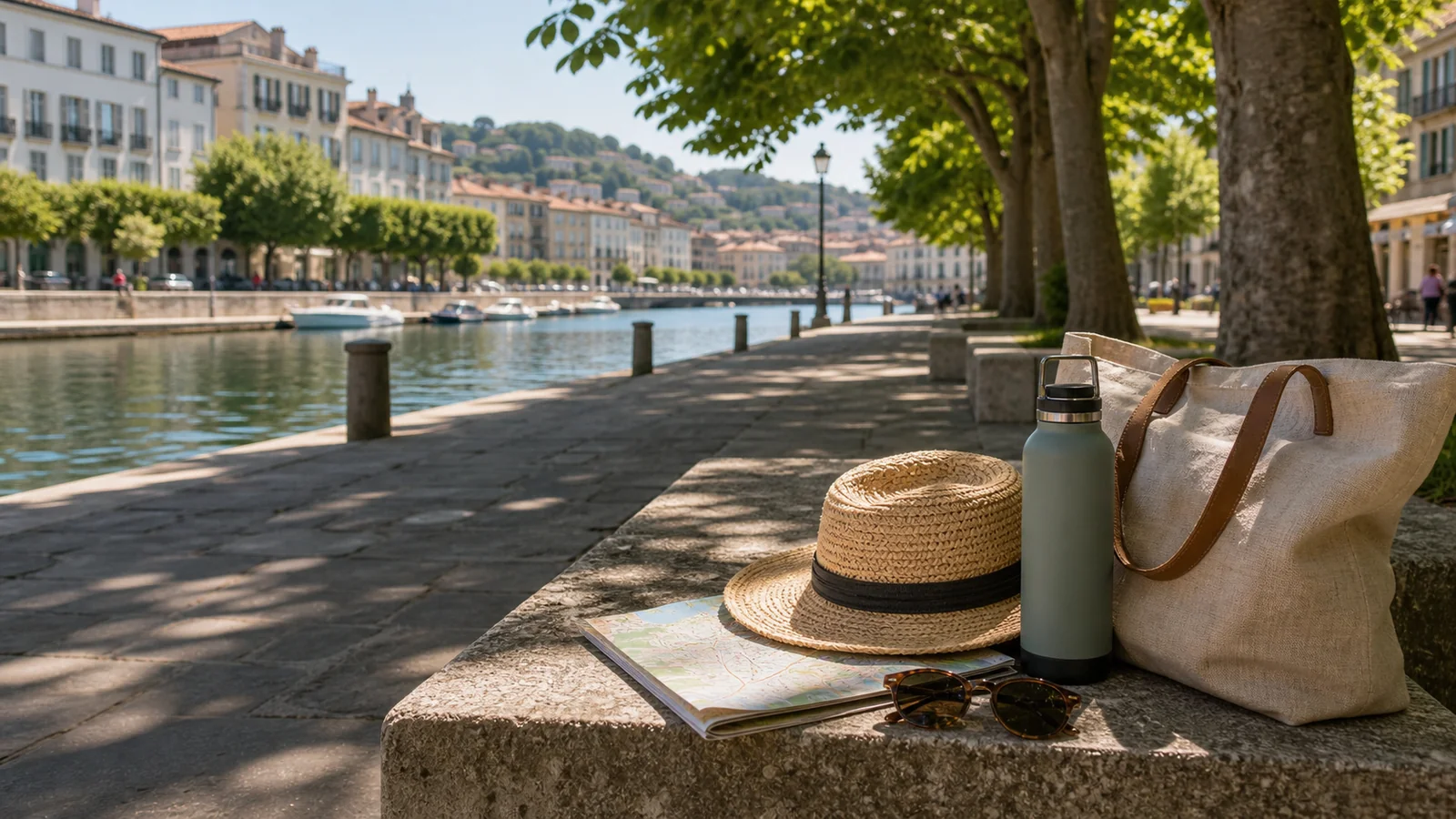
Summer Travel Works Best When You Plan Around Heat
The best answer to where to travel in summer is not always the hottest beach or the most famous city. Summer gives you long days, outdoor dining, festivals, and easy packing. It also brings heat waves, high prices, school-holiday crowds, and afternoons when walking across a stone plaza feels like a poor life choice.
We prefer summer destinations that still work when you slow down: northern cities with long evenings, waterfront neighborhoods with shade, compact places where you can rest after lunch, and cultural bases that do not require standing in line at midday.
Before choosing a destination, ask three questions: How hot will it feel in the afternoon? Can you enjoy the city before breakfast or after dinner? Is there water, shade, transit, or a museum plan when the day gets heavy?
Quick Picks by Summer Travel Style
| Travel mood | Places to consider | Why it works |
|---|---|---|
| Cool northern city | Copenhagen, Edinburgh, Stockholm, Montreal | Long daylight, parks, waterfronts, easier walking |
| Classic culture with shade | Vienna, Munich, Amsterdam, Quebec City | Museums, cafes, transit, manageable neighborhoods |
| Summer by the water | Porto, San Sebastian, Vancouver, Helsinki | Breezes, harbor walks, food, easy pauses |
| Big-city energy | Chicago, London, Berlin, New York City | Festivals, transit, evening life, many indoor backups |
| Mountain-edge city | Salzburg, Ljubljana, Innsbruck, Boulder | Access to cooler air and short outdoor escapes |
| Slower island or coastal base | Madeira, Azores, Scottish islands, Baltic coast | Outdoor days without pure beach-resort pacing |
If you are comparing seasons, our guide to the best places to travel in December uses a similar mood-first approach for winter trips.
Copenhagen, Denmark
Copenhagen is one of the easiest summer cities to enjoy slowly. The days are long, the harbor is part of daily life, and the city rewards short rides, park pauses, and casual wandering. You can build a day around a bakery, a canal walk, a museum, and an evening by the water without making it feel like a checklist.
It is not always warm in the beach-holiday sense, which is part of the appeal. Bring a light layer and expect changeable weather. In return, you get a city that feels built for bikes, ferries, quiet courtyards, and relaxed meals outside.
Best for: long daylight, design, food halls, waterfront walks, first-time Scandinavia.
Watch out for: high accommodation prices and the need to book popular restaurants early.
Edinburgh, Scotland
Edinburgh is a strong summer choice if you want atmosphere without southern European heat. The city has hills, closes, bookshops, pubs, museums, gardens, and sea air nearby. It is compact enough for walking, but layered enough that a slow day still feels full.
August brings festival energy and higher prices. If you want quieter wandering, look at June, early July, or September. Stay somewhere that makes buses or trams easy, because the hills are real and not every charming street is fun with luggage.
Best for: literary mood, solo travel, cooler weather, dramatic walks, city-and-coast pairings.
Watch out for: festival crowds, steep streets, and fast-changing weather.
Stockholm, Sweden
Stockholm works beautifully in summer because the city is spread across islands. Water, bridges, ferries, parks, and long evenings make the day feel open. You can spend a morning in Gamla Stan, take a ferry, picnic by the water, and still have light left for a neighborhood walk.
This is a good destination if you like movement without rushing. Public transport is useful, but the best moments often come from choosing one island or district and staying with it for several hours.
Best for: island hopping, design, museums, long evenings, gentle outdoor days.
Watch out for: expensive meals and the need to check ferry schedules before late returns.
Porto, Portugal
Porto can be hot, but its river setting, shaded lanes, tiled facades, and ocean access make it more forgiving than many inland cities. It is a good summer base when you want European texture, good food, and a slower pace without building the whole trip around a beach.
Plan hills carefully. Porto rewards wandering, but the climbs can drain you in afternoon heat. Start early, rest in the hottest window, and use transit or taxis when the route looks short on a map but steep in real life.
Best for: food, river views, tiles, wine culture, mixed city-and-coast days.
Watch out for: steep streets, strong sun, and crowded viewpoints near sunset.
San Sebastian, Spain
San Sebastian is a summer classic because it balances beach, food, and a walkable city center. You can swim, eat pintxos, follow the promenade, and take short local trips without needing a packed itinerary. It feels social but not as overwhelming as a giant capital.
It is also popular, so book lodging early and think carefully about location. A slightly quieter neighborhood can make the trip calmer, especially if you want mornings by the water and evenings in the old town rather than noise outside your window.
Best for: food-focused travelers, beach plus city, gentle walking, couples or friends.
Watch out for: high summer prices, restaurant demand, and busy old-town evenings.
Chicago, United States
Chicago is one of the best U.S. cities for summer if you want culture, lakefront space, and big-city energy without relying on a car. The lake changes the mood of the city. You can walk the river, use the L, spend time in parks, visit museums, and end the day with neighborhood food instead of one central tourist zone.
Summer humidity and storms can happen, so keep indoor options ready. Chicago works best when you choose a few neighborhoods and let the lakefront be part of the rhythm rather than trying to cross the whole city every day.
Best for: architecture, lake walks, museums, food neighborhoods, music and festivals.
Watch out for: humid days, event pricing, and long travel times between far-apart areas.
Montreal, Canada
Montreal is lively in summer without losing its neighborhood feel. Outdoor terraces, markets, bike paths, festivals, parks, and French-language texture make it a rewarding city for travelers who like to drift. It is especially good if you want a European-feeling city break without crossing the Atlantic.
Choose a base near the Plateau, Mile End, Old Montreal, or a convenient Metro line depending on your style. The city is walkable in pieces, but not small. Give yourself time to repeat favorite streets instead of turning every day into a new quadrant.
Best for: cafes, markets, festivals, bilingual culture, North American city breaks.
Watch out for: festival crowds, construction detours, and muggy weather.
Amsterdam, Netherlands
Amsterdam in summer can be beautiful and crowded at the same time. The canals, parks, ferries, and long evenings are the reason people come. The central crush is the reason you need a slower plan.
Stay outside the most obvious tourist core if you can. Use early mornings for popular canals, then shift to neighborhoods, museums, markets, or ferry rides. Amsterdam is better when you stop chasing postcard corners and start treating it as a living city.
Best for: canals, museums, cycling culture, design, easy train connections.
Watch out for: peak crowds, bike-lane confusion, and expensive central hotels.
Ljubljana, Slovenia
Ljubljana is a good summer choice when you want a smaller capital with easy outdoor access. The riverfront is pleasant, the old center is compact, and day trips can take you toward lakes, mountains, or caves without making the city feel secondary.
It can still get hot, so the best pattern is simple: early walk, shaded lunch, afternoon pause, evening riverfront. This is a destination for travelers who enjoy a city base but want nature within reach.
Best for: compact wandering, cafes, day trips, first-time Slovenia, relaxed pace.
Watch out for: limited lodging in peak season and afternoon heat in exposed areas.
How to Choose the Right Summer Destination
A summer trip can fail because the place is bad, but more often it fails because the rhythm is wrong. Choose a destination that fits how you handle heat, crowds, and long days.
Use this filter before booking:
- If you dislike heat, look north, near water, or toward higher elevation.
- If you dislike crowds, avoid the most famous neighborhoods at midday.
- If you need culture, choose places with strong museums and transit.
- If you want outdoor time, choose parks, waterfronts, ferries, or easy nature access.
- If you are traveling with children or older relatives, reduce hills and transfer days.
Summer is not the season for proving how much you can cover. It is the season for early starts, long rests, and evenings that still have room in them.
FAQ
Where should I travel in summer if I hate extreme heat?
Look at northern or waterfront cities such as Copenhagen, Edinburgh, Stockholm, Helsinki, Montreal, or Vancouver. You can still get warm days, but the average travel rhythm is usually easier than in inland southern Europe or the U.S. Southwest.
Is Europe too crowded in summer?
Parts of Europe are very crowded in summer, especially famous capitals, beach towns, and cruise ports. You can make it easier by staying outside the busiest core, walking early, booking key museums ahead, and choosing second-city or neighborhood-focused trips.
What is a good summer city break in the United States?
Chicago is a strong choice because the lakefront, transit, parks, museums, and neighborhood food scenes give you many ways to shape the day. Boston, Seattle, Portland, and Minneapolis can also work well depending on weather and budget.
Should I choose a beach trip or a city trip in summer?
Choose a beach trip if rest is the main point. Choose a city trip if you want food, museums, neighborhoods, and evening walks. The easiest compromise is a waterfront city where you can mix cultural days with breezy pauses.
How far ahead should I book summer travel?
Book earlier for peak July and August trips, major festivals, small islands, and popular coastal towns. For flexible city breaks, you may have more room, but lodging near transit and shaded neighborhoods still sells out first.
The Bottom Line
Summer travel is easier when you choose for rhythm, not bragging rights. Look for cities with shade, water, long evenings, indoor backups, and neighborhoods that reward wandering. The right summer destination should let you do less in the afternoon and still feel like the day opened up.
You might also like
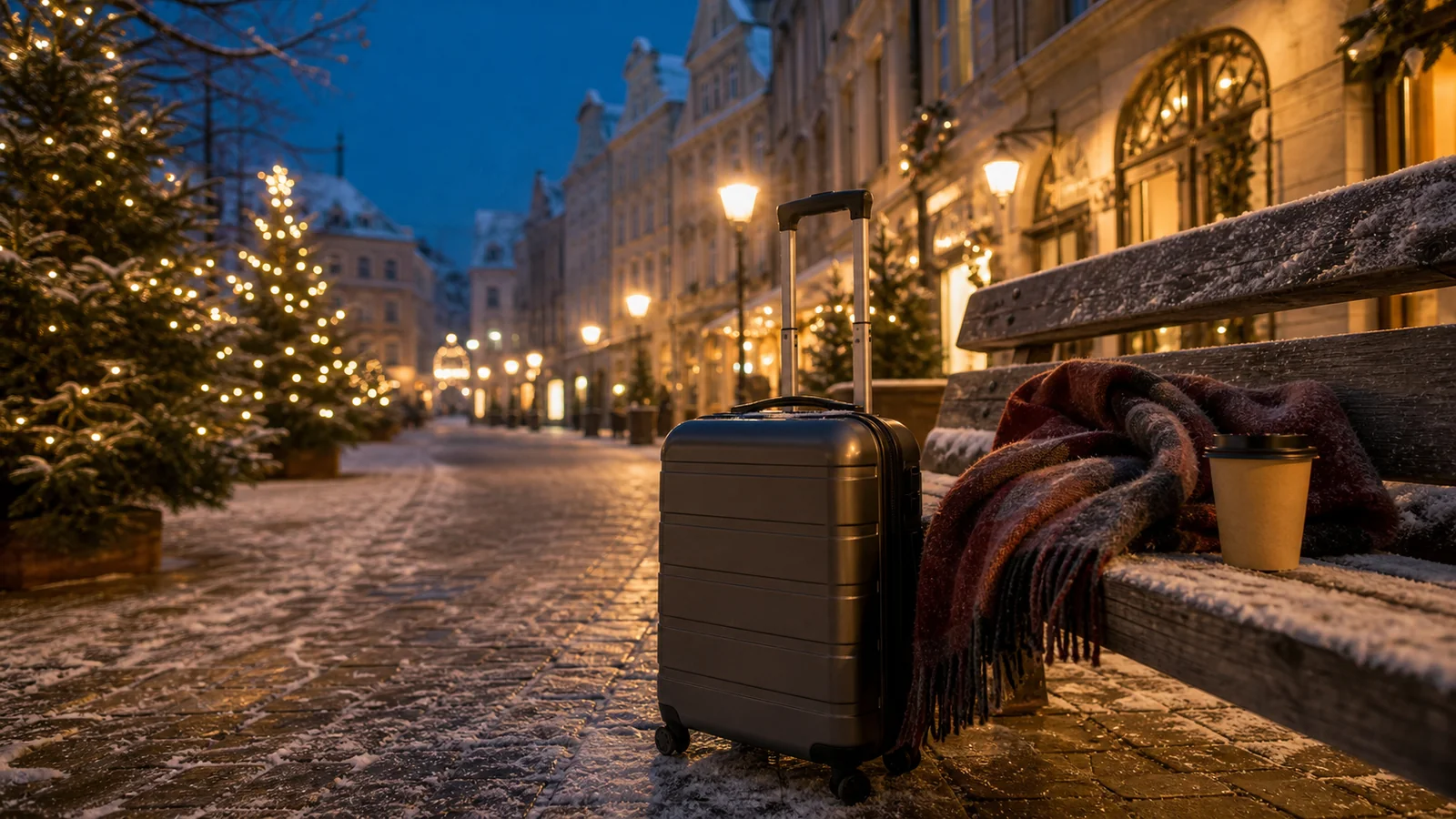
Best Places to Travel in December for Slow Trips
Choose a December trip by mood, weather, crowds, and walking pace, from winter cities to warmer cultural escapes.
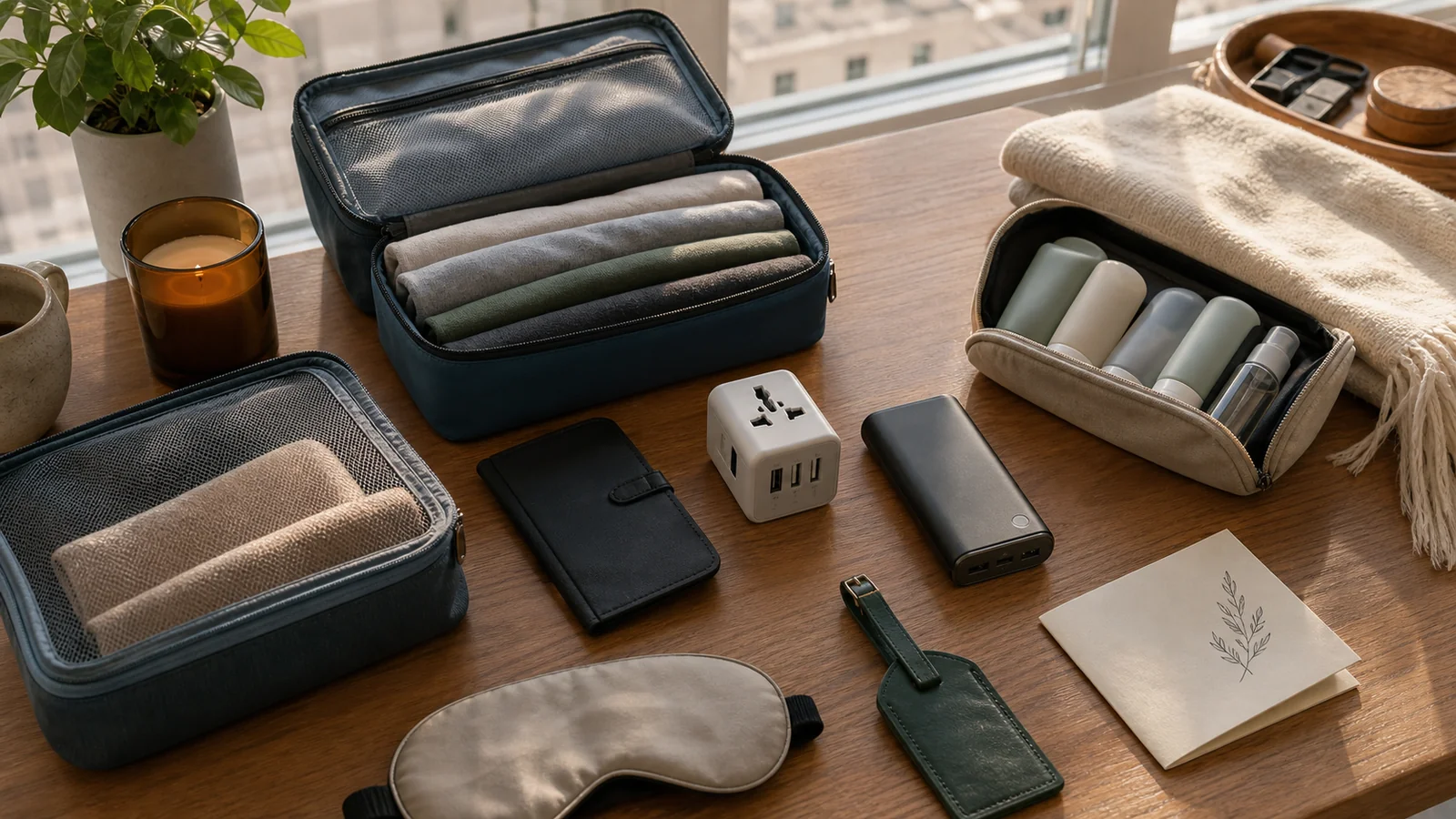
Travel Gifts That Slow Travelers Actually Use
Choose practical travel gifts by trip style, packing habits, comfort needs, and whether the item earns bag space.
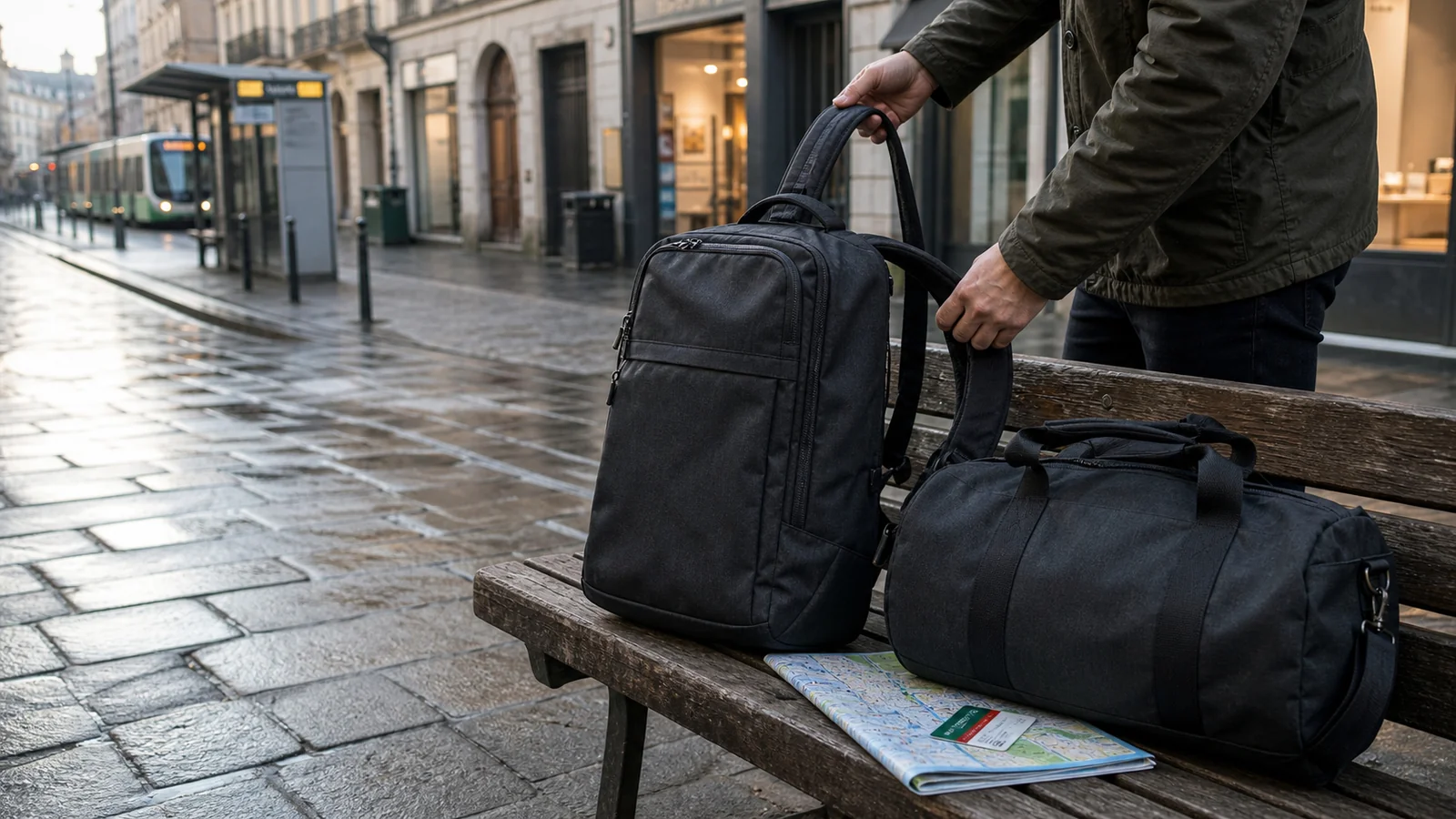
Guys Travel Bag: Choose One That Fits the Trip
Pick a guys travel bag by trip length, carry style, city walking, airline rules, and how much structure you need.