Women's Travel Bag: Best Styles for City Trips
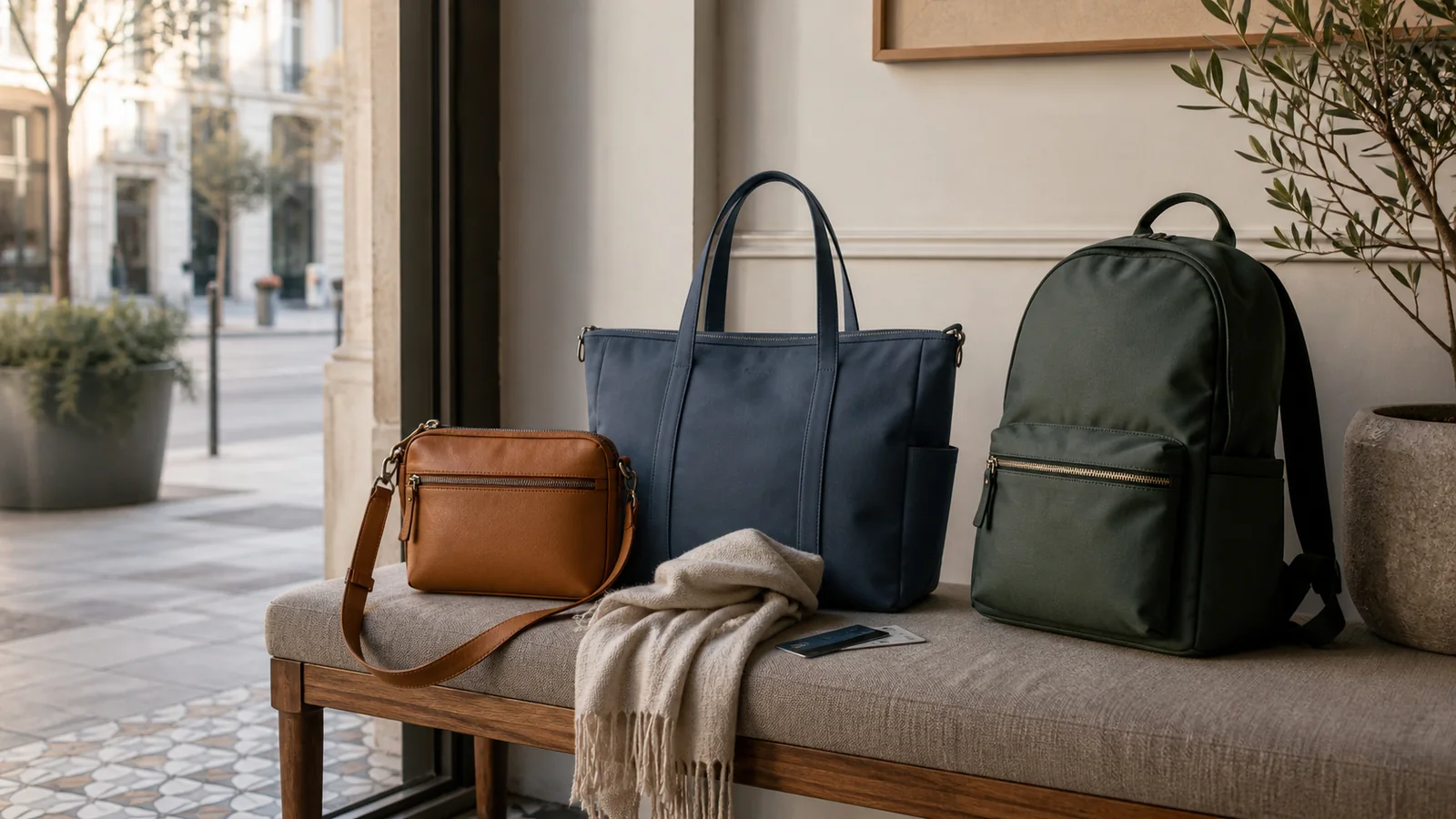
The Best Women’s Travel Bag Depends on the Job
A women’s travel bag can mean a crossbody, tote, backpack, sling, weekender, or convertible bag. That wide search is the problem. The best choice depends less on the word “women’s” and more on what the bag needs to do during a real travel day.
For a slow city trip, a good bag should carry your essentials, protect valuables in crowded places, feel comfortable after hours of walking, and still make sense in cafes, trains, museums, and small hotel rooms. It should not force you to organize your whole day around one awkward strap or one bottomless compartment.
Instead of asking for one perfect bag, start with the role: airport personal item, daily city bag, work-and-laptop bag, dinner bag, or short overnight bag. Different days deserve different shapes.
Quick Picks by Travel Style
Use this as a starting point before comparing materials, colors, or brands.
| Best style | Works well for | Watch out for |
|---|---|---|
| Zip-top travel tote | Flights, cafes, laptop days, light shopping | Shoulder strain and deep-bag clutter |
| Small crossbody | Crowded streets, museums, transit, evenings | Limited space for layers or water |
| Personal-item backpack | Airport days, stairs, heavier loads | Less polished in some settings |
| Convertible tote-backpack | Mixed airport and city use | Compromise straps may be less comfortable |
| Sling or belt bag | Passport, phone, wallet, quick access | Too small as your only day bag |
| Weekender bag | Car trips, one-night stays, soft packing | Awkward on long walks or transit transfers |
Many travelers need two bags, not one: a larger personal item or tote for transit and a small crossbody or sling for valuables once they reach the city.
Best Overall: A Secure Crossbody for City Days
For most sightseeing, neighborhood wandering, and transit-heavy days, a small-to-medium crossbody is the most useful women’s travel bag. It keeps valuables in front of you, leaves your hands free, and works in museums, markets, cafes, and restaurants without feeling like luggage.
Look for:
- Zip-top closure
- Adjustable strap
- Interior zip pocket
- Room for phone, wallet, passport, sunglasses, and lip balm
- Lightweight fabric or leather
- Strap that does not dig into your neck
- Simple shape that sits close to the body
Security-focused brands often advertise features such as locking zippers, cut-resistant straps, RFID-blocking pockets, and slash-resistant panels. Those can be useful, especially in crowded cities, but they do not replace basic habits. Keep the bag zipped, wear it where you can see it, and avoid leaving it open on a chair.
A crossbody is not the bag for everything. It is the bag for the things you cannot afford to lose.
Best for Flights: A Personal-Item Tote or Backpack
For the airplane, the bag has one main job: fit under the seat while holding what you need during the flight. Totes, backpacks, laptop bags, small duffels, and crossbody bags can all count as personal items if they meet the airline’s size rules and fit under the seat.
A good personal-item bag should hold:
- Passport or ID
- Phone and wallet
- Medication
- Chargers and power bank
- Headphones
- Glasses
- Light layer
- Toiletries or liquids pouch
- Book or e-reader
- Snacks
- One small emergency clothing item
Check your airline’s current personal item dimensions before flying, especially with budget fares in the United States or Europe. Measure the bag when packed. A soft tote that looks small empty can become too deep once you add shoes, a laptop, and a sweater.
If you prefer open access and a polished look, choose a zip-top tote. If you want better weight distribution, choose a compact backpack. If you already have a carry-on roller, a tote with a trolley sleeve can make airport corridors much calmer.
Our travel tote guide goes deeper on zip tops, underseat fit, laptop sleeves, and trolley sleeves.
Best for Heavy Walking: A Small Backpack
If the day includes train stations, hills, long transfers, stairs, or a heavy water bottle, a backpack is kinder than a shoulder bag. The load sits on both shoulders, and you can keep your hands free for tickets, railings, maps, or coffee.
Choose a small travel backpack if you:
- Walk long distances between lodging and stations.
- Carry a laptop or camera.
- Need a jacket, bottle, and umbrella.
- Prefer one bag for flight and day use.
- Have shoulder pain from crossbody or tote straps.
Look for a bag with comfortable shoulder straps, a secure back pocket, a laptop sleeve if needed, and a shape that does not knock into people on crowded transit. A 15- to 25-liter backpack is often enough for daily city use.
For full one-bag travel, fit matters even more. Our guide to a travel backpack for women explains torso length, strap shape, hip belts, and carry comfort in more detail.
Best for Work Trips: A Structured Laptop Bag
Work travel asks more from a bag. It has to protect tech, look appropriate enough for meetings, and still behave like a travel bag.
A good work-focused travel bag should include:
- Padded laptop sleeve close to the body
- Separate charger pocket
- Zip-top closure
- Trolley sleeve
- Water bottle pocket away from electronics
- Interior zip pocket for passport or wallet
- Enough structure to stand up
- Comfortable carry when loaded
Totes look polished but can strain one shoulder. Backpacks carry better but may not fit every meeting setting. Convertible bags try to do both, but test the straps carefully. A convertible tote-backpack is useful only if both carry modes feel comfortable, not just possible.
If your laptop is heavy, put comfort first. A beautiful bag that makes the walk from station to hotel painful is not a good work bag.
Best Minimal Option: A Sling or Belt Bag
A sling or belt bag is excellent for essentials. It can hold a phone, wallet, passport, transit card, keys, lip balm, and maybe sunglasses. It keeps items close and makes airport or train transitions easier.
Use it when:
- You want valuables close to your body.
- You are carrying a larger bag too.
- You will be in museums with bag-size rules.
- You want a light evening option.
- You dislike digging through a tote.
The weakness is capacity. A sling cannot hold a sweater, water bottle, notebook, and market purchase unless it becomes bulky and uncomfortable. Treat it as your essentials bag, not your whole travel system.
Best Short-Trip Bag: A Soft Weekender
A weekender bag works best for car trips, train rides with short walks, one-night hotel stays, and trips where you can set the bag down quickly. It is less ideal for long airport walks, cobblestones, or public transit with many stairs.
Look for:
- Wide opening
- Comfortable handles
- Optional padded shoulder strap
- Trolley sleeve
- Separate shoe or laundry area if useful
- Light empty weight
- Water-resistant lining
- Structure that does not collapse completely
Be careful with large weekenders. They are easy to overpack and hard to carry when full. If the packed bag will be heavy, a backpack or roller may be better.
Best Beach or Market Extra: A Packable Tote
A packable tote is not usually secure enough as a main travel bag, but it is very useful as an extra. It can carry groceries, beach layers, laundry, snacks, or overflow after a market stop.
Choose one that:
- Folds small
- Has comfortable handles
- Is washable or easy to wipe
- Has at least one small pocket
- Can hold light bulk without tearing
Do not put passport, wallet, or phone loose in an open packable tote. Use it for low-risk items and keep valuables in your crossbody, sling, or zipped main bag.
Security Features Worth Considering
Anti-theft features can help, but they are only part of travel awareness.
Useful features include:
- Lockable zipper pulls
- Interior zip pockets
- Cut-resistant strap or strap reinforcement
- Slash-resistant panels in high-risk settings
- RFID-blocking pocket if you want card shielding
- Strap clip that can secure around a chair leg
- Low-profile shape that sits close to the body
Do not buy a heavy, uncomfortable bag only because it has every security feature. The safest bag is one you can wear correctly all day. If it is annoying, you will set it down, leave it open, or stop using the features.
Good habits matter more:
- Keep the bag zipped.
- Wear valuables in front in crowds.
- Do not hang an open bag on the back of a chair.
- Keep a hand on the bag in packed transit.
- Split backup cards from your main wallet.
- Photograph important documents and store copies securely.
Comfort: The Part Product Photos Hide
Comfort is the reason many attractive bags fail.
Before a trip, load the bag with real items and test:
- Walk for 15 minutes.
- Climb stairs.
- Sit in a narrow chair.
- Put on a jacket and try again.
- Reach for your phone.
- Zip and unzip with one hand.
- Check whether the strap slides.
- Notice pressure on neck, chest, shoulder, or hip.
Women-specific styling does not guarantee fit. Strap length, strap width, bag depth, and weight distribution matter more than color or category name.
Materials and Weather
The best material depends on the trip.
| Material | Best use | Tradeoff |
|---|---|---|
| Nylon or recycled polyester | Lightweight city travel, rain, daily use | Can look casual |
| Leather | Work trips, dinners, polished settings | Heavy and water-sensitive |
| Canvas | Casual weekends, road trips, markets | Can absorb moisture and weight |
| Neoprene | Soft structure, easy cleaning | Can feel bulky |
| Straw or raffia | Beach and warm-weather resort use | Poor security and weather protection |
For most city trips, light water-resistant fabric is the easiest choice. Leather can be worth it for work or style-focused trips, but check the empty weight before adding laptop, bottle, and chargers.
How to Build a Two-Bag System
Instead of searching for one magic bag, build a simple system.
For a flight and city trip:
- Personal item tote or backpack: laptop, layer, book, charger, toiletries, snacks.
- Small crossbody or sling: passport, wallet, phone, transit card, medication.
After arrival:
- Leave the larger bag at lodging.
- Use the crossbody or sling for wandering.
- Add a packable tote if you expect groceries or shopping.
This keeps valuables consistent. Your passport and wallet do not migrate between five pockets every day. The larger bag handles volume, while the smaller bag handles attention.
Common Mistakes to Avoid
Avoid:
- Choosing a bag by style before comfort
- Buying a personal-item bag without checking dimensions
- Carrying valuables in an open tote
- Using one-shoulder bags for very heavy walking days
- Packing a weekender until it is painful
- Trusting tiny organizer pockets you will forget
- Choosing leather without checking weight
- Bringing a bag that does not close securely
- Letting airport needs override every city-day need
- Buying an anti-theft bag that is too uncomfortable to wear
The right women’s travel bag should make the day quieter. If you keep adjusting it, guarding it, or digging through it, something about the shape is wrong for the trip.
FAQ
What is the best women’s travel bag for Europe?
For many European city trips, a small crossbody for valuables plus a compact backpack or zip-top tote works well. Choose by your walking distance, transit use, and airline personal item rules.
Is a crossbody or backpack better for travel?
A crossbody is better for valuables and quick access. A backpack is better for heavier loads and longer walks. Many travelers use both in different roles.
Can a purse count as a personal item on a plane?
Often yes, if it fits the airline’s rules and can go under the seat. Airlines vary, and small wearable bags may still count toward your allowance, so check before flying.
What size bag should I carry while sightseeing?
Carry the smallest bag that holds your essentials: phone, wallet, transit card, sunglasses, medication, and maybe a small layer. Larger bags get tiring and harder to monitor in crowds.
Are anti-theft travel bags worth it?
They can be useful in crowded cities, especially with locking zippers and secure straps. Comfort and habits still matter most. A secure bag only helps if you actually wear and close it correctly.
The Bottom Line
The best women’s travel bag is not one bag for every possible trip. It is the right shape for the day’s job: crossbody for valuables, tote for access, backpack for weight, sling for essentials, weekender for short soft packing, and packable tote for overflow.
Choose comfort, closure, and realistic capacity first. A bag that disappears into the day is the one that lets you notice the city instead of constantly managing your stuff.
You might also like
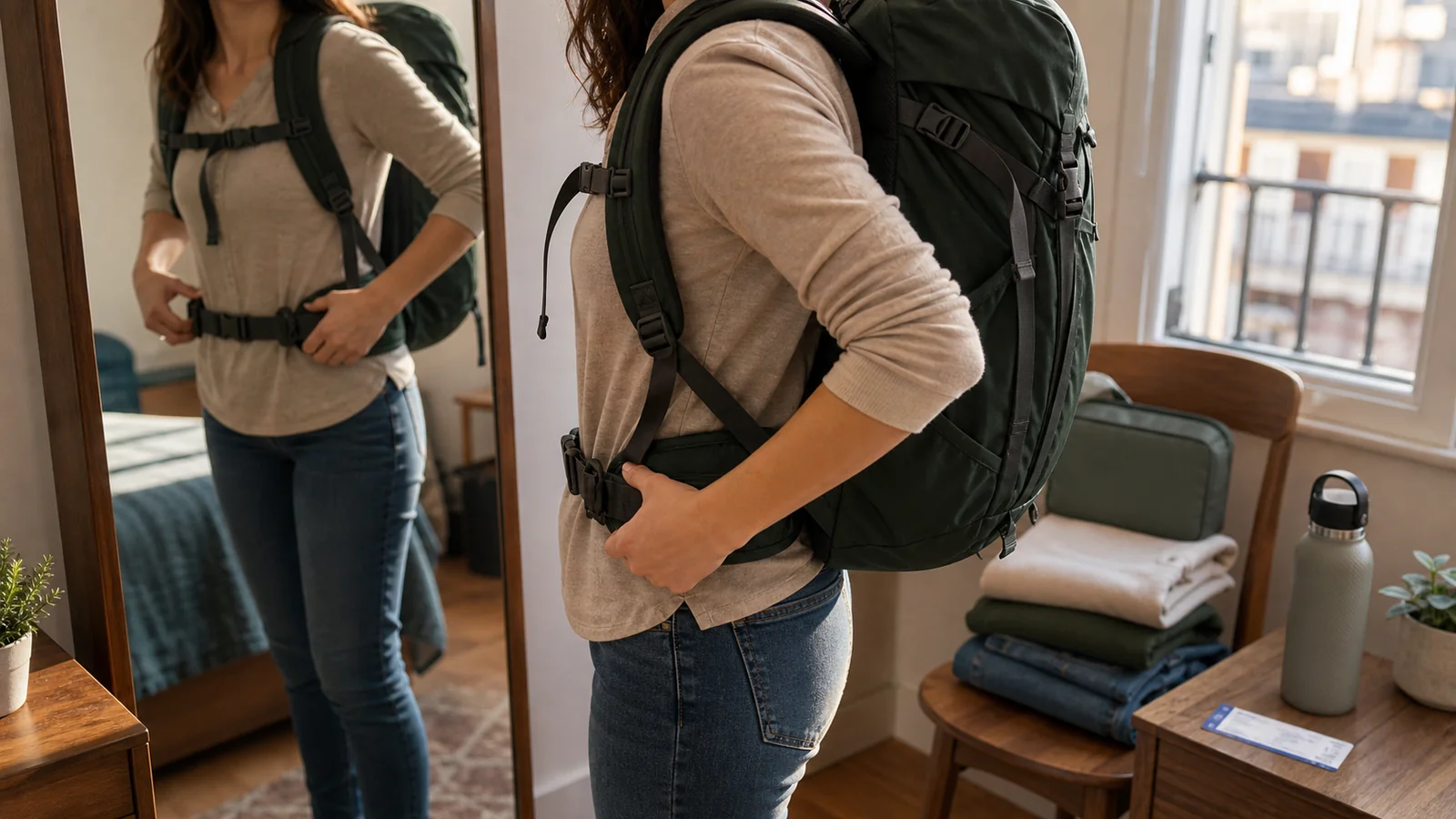
Travel Backpack for Women: Fit Comes First
Choose a travel backpack for women by torso fit, straps, capacity, laptop space, and how it feels on real city days.
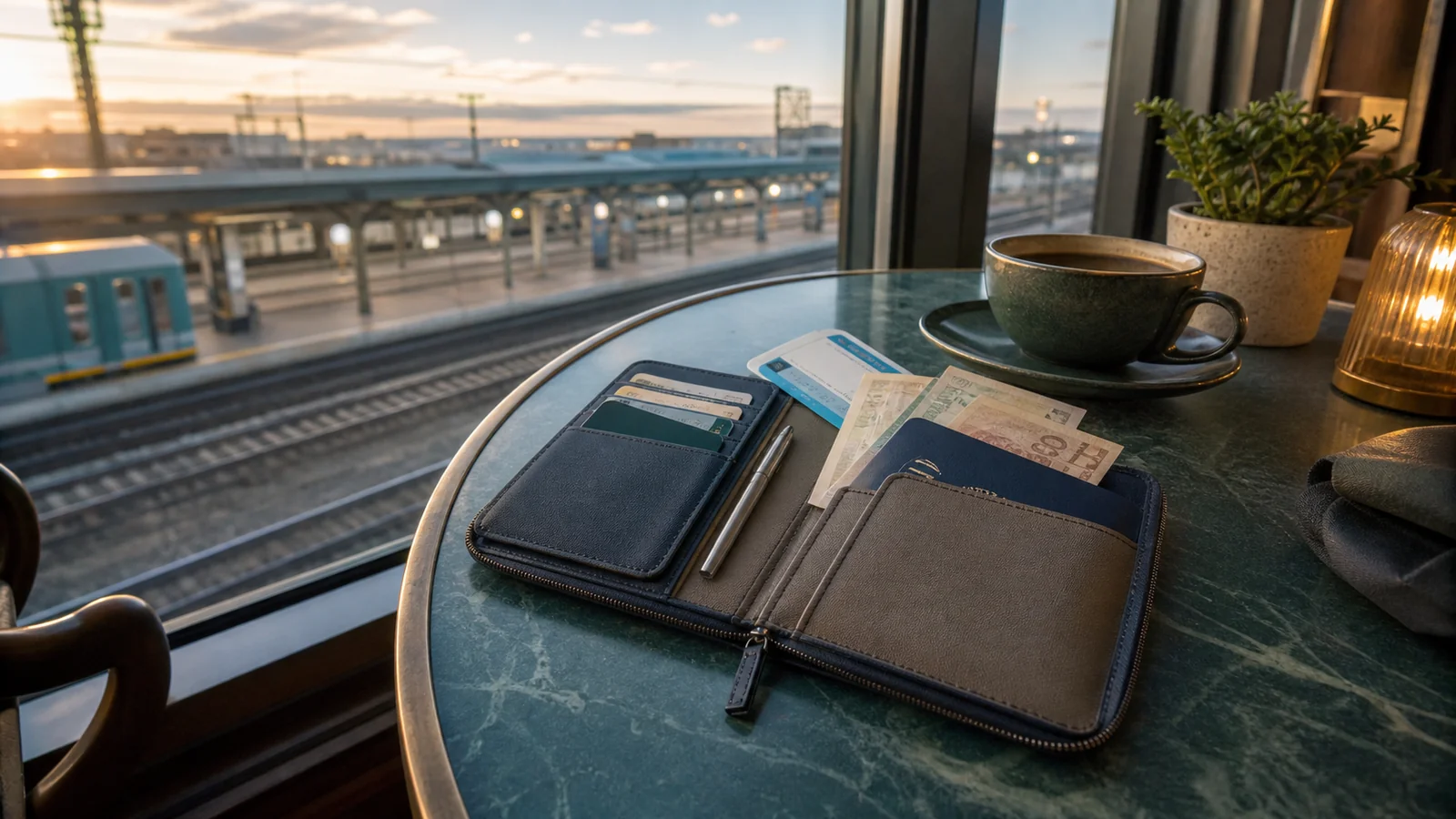
Best Travel Wallets for Organized, Low-Stress Trips
Choose a travel wallet that keeps passports, cards, cash, and transit passes tidy without adding bulk to your trip.
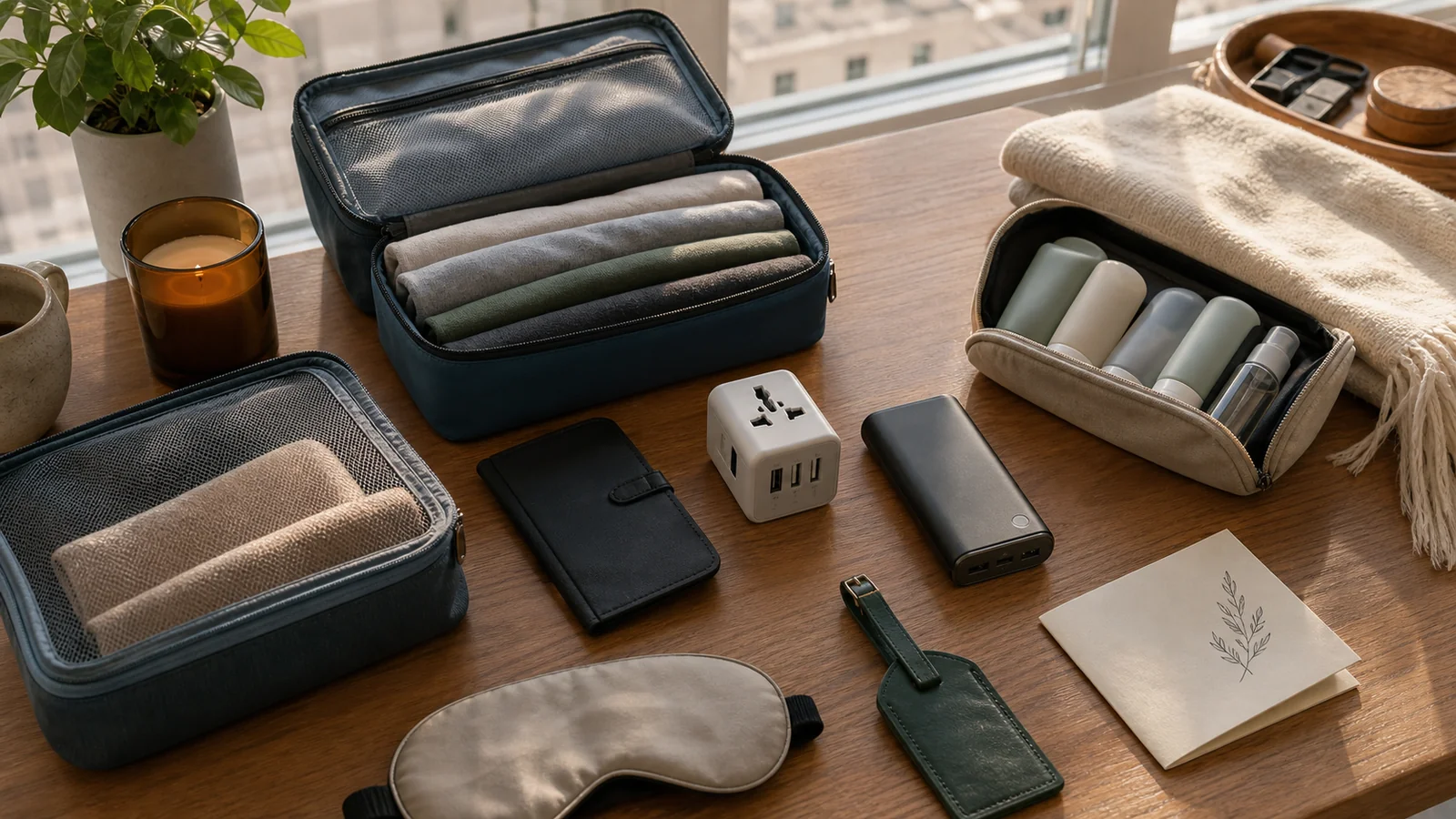
Travel Gifts That Slow Travelers Actually Use
Choose practical travel gifts by trip style, packing habits, comfort needs, and whether the item earns bag space.