Best Travel Wallets for Organized, Low-Stress Trips
What Makes a Travel Wallet Worth Packing
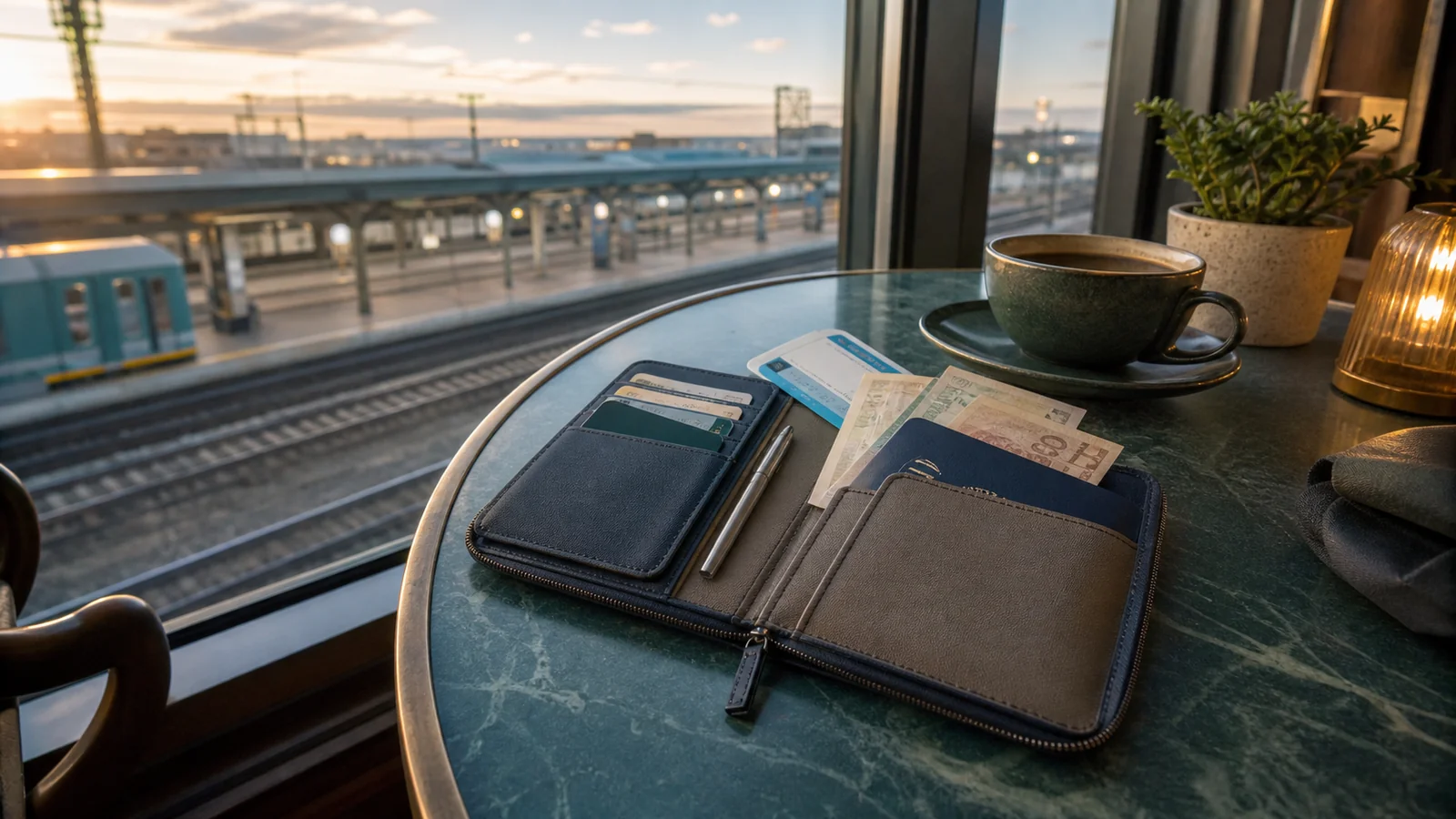
The best travel wallets do one quiet job well: they keep the small things you need on travel days easy to find. That means your passport, backup card, local transit pass, SIM tool, emergency cash, insurance card, and a few receipts do not end up scattered across jacket pockets and tote bags.
We look for travel wallets that are practical in motion. A good one should open quickly at passport control, fit the way you actually carry a bag, and stay slim enough that you do not leave it in the hotel room. RFID-blocking material can be useful, but it is only one part of the choice. Zipper quality, pocket layout, weight, and how visible the wallet looks in public matter more on most trips.
Quick Picks for Different Travelers
| Best for | What to look for | Examples often compared |
|---|---|---|
| Passport-first organization | Full passport sleeve, boarding pass slot, zip closure | Bellroy Travel Wallet, Leatherology Travel Wallet |
| Budget city trips | Lightweight build, simple card slots, low bulk | Zoppen Multi-Purpose RFID Wallet, Zero Grid Travel Wallet |
| Hidden carry | Flat profile, soft backing, adjustable strap | Lewis N. Clark RFID Stash, Venture 4th Travel Neck Pouch |
| Security-focused travel | Slash-resistant strap, lockable zipper, RFID lining | Pacsafe RFIDsafe V150, Travelon anti-theft wallets |
| Minimal carry | Card capacity, small cash pocket, everyday feel | Herschel Charlie, Bellroy card sleeves |
Product names change, sizes vary by region, and colors sell out often. Treat the examples as starting points, then check the exact dimensions against your passport, phone, and usual bag before you choose.
Best Overall: A Slim Passport Wallet With a Zipper
For most independent travelers, the most useful travel wallet is a slim passport wallet with a full zip closure. It gives you one place for the documents you need at airports, rail stations, ferry counters, and hotel desks. The zipper also helps when you are moving through a crowded terminal with a half-open bag.
Look for:
- A passport sleeve that does not require bending the cover
- Three to six card slots
- A flat cash pocket for mixed currencies
- A boarding pass or folded itinerary slot
- A zipper that opens smoothly around corners
Avoid oversized clutch-style wallets unless you know you will carry one daily. They look neat on a desk but can become annoying if they do not fit a sling bag, jacket pocket, or small daypack.
Best Budget Choice: A Lightweight RFID Travel Wallet
Budget travel wallets can be perfectly fine if you keep expectations realistic. Many affordable models use synthetic fabric, a zip-around layout, and enough slots for one passport, several cards, cash, and small paper documents. The tradeoff is usually in zipper feel, stitching, and how bulky the wallet gets when fully packed.
This type works well if you travel a few times a year and want a dedicated place for documents. It is less ideal if you want something elegant enough for daily use after the trip.
Before choosing a budget wallet, check three details:
- Whether the passport fits without forcing the zipper
- Whether the card slots are too tight to use quickly
- Whether the wallet still closes when you add coins, receipts, or a second passport
Best for Europe by Train: A Passport Wallet With Transit Access
Train-heavy trips need a different rhythm than airport-only travel. You may reach for your rail pass, contactless card, hotel address, and passport several times in one morning. A travel wallet with one quick-access exterior pocket or a clean front slip pocket can save a lot of rummaging.
For European city wandering, we prefer a wallet that fits inside a crossbody bag rather than a large organizer you have to carry by hand. If you use mobile tickets, leave space for a power bank or keep your wallet separate from your phone so one lost item does not take everything with it.
Choose this style if your trip includes:
- Multi-city rail days
- Several currencies or transit cards
- Hotel check-ins before your room is ready
- A mix of printed confirmations and app-based tickets
Best Hidden Option: A Neck Pouch or Flat Money Belt
Hidden pouches are not stylish, but they are useful for backup storage. A flat money belt or neck pouch can hold your passport, emergency card, and spare cash under clothing while your daily wallet carries only what you need for the next few hours.
This setup is especially helpful when you are arriving jet-lagged, sleeping on trains, or staying in shared rooms. The key is comfort. Scratchy seams, stiff backing, and thick stacks of paper make hidden pouches hard to tolerate.
Use a hidden pouch for backup items, not for every transaction. Pulling it out in public defeats the point and slows you down.
Best Minimalist Choice: A Card Holder Plus Passport Sleeve
Not every traveler needs one large organizer. If you use mobile boarding passes and pack light, a small card holder plus a separate passport sleeve may feel better. This approach keeps your daily carry slim and lets your passport stay tucked away until you need it.
The downside is separation. You need a consistent habit: passport in one pocket, cards in another, emergency cash somewhere else. Minimalist systems work best for travelers who already keep bags tidy and do not collect many paper receipts.
Choose this setup if you:
- Travel with carry-on only
- Use tap-to-pay and mobile tickets
- Dislike zip-around wallets
- Want gear that works at home too
Best Family or Couple Option: A Larger Document Organizer
Couples and families may need room for two to four passports, printed reservations, health documents, and a shared cash envelope. A larger document organizer makes sense here, especially for airport days or border crossings.
The risk is overpacking it. Once you put every receipt, ticket, and card in one place, the organizer becomes heavy and slow to use. Keep the layout simple. Put each passport in the same slot every time, store only current-trip papers, and remove old receipts each night.
If you travel as a pair, consider whether one shared organizer or two slim wallets will reduce stress. Two wallets can be safer if you split backup cards and cash.
How to Choose the Right Travel Wallet
Start with your carry style, not the product photo. A wallet that works in a tote may be awkward in a jacket pocket. A money belt that feels fine for two hours may bother you on a long summer walking day.
Use this quick test before buying:
- List what must be on you during travel days.
- Separate daily-use items from emergency backup items.
- Measure your passport and phone against the listed wallet dimensions.
- Check whether the closure works when the wallet is full.
- Choose the smallest wallet that handles your real list.
If you are unsure, go simpler. A slim passport wallet and a separate tiny coin pouch often work better than one big organizer trying to solve every situation.
RFID Blocking: Helpful, but Not Magic
RFID-blocking layers can reduce the chance of contactless card skimming at very close range. That is useful, but it does not protect you from a lost card, weak online passwords, ATM tampering, or leaving your wallet on a cafe chair.
Treat RFID as a nice feature, not the main reason to buy. Better everyday habits matter more: carry one primary card and one backup, keep emergency cash separate, use bank alerts, and know how to freeze cards from your phone.
Common Mistakes to Avoid
The most common mistake is buying too much wallet. Big travel organizers look reassuring, but they can make you slower at exactly the moments when you want to move calmly.
Other mistakes include:
- Keeping every card in one wallet
- Using a passport wallet as a visible daily clutch
- Forgetting coin storage in cash-heavy destinations
- Choosing a light color that shows grime quickly
- Buying a phone-sized wallet without checking your case dimensions
Your best travel wallet should make the day feel easier, not turn every coffee stop into a filing session.
Our Bottom Line
For most trips, choose a slim zip-around passport wallet with room for cards, cash, and a folded document or two. Add a hidden pouch only for backup storage, and consider a minimalist card holder if you rely on mobile tickets. The right choice is the one you will actually carry every day without thinking about it.
FAQ
Do I really need a travel wallet?
You do not need one for every trip. A travel wallet helps most when you have a passport, multiple cards, cash, transit passes, and paper confirmations to manage. For a short domestic trip, your normal wallet may be enough.
Should a travel wallet hold my phone?
Only if you want a clutch-style organizer. Phone storage adds bulk and can create a bigger loss if the wallet disappears. Many travelers are better off keeping the phone separate from passports and backup cards.
Is RFID blocking necessary for travel?
It is useful but not essential. RFID lining can help with close-range contactless skimming, but your bigger risks are lost cards, distraction, and poor backup habits. Choose the wallet for layout first.
What is the safest way to carry cash while traveling?
Carry a small daily amount in your main wallet and keep backup cash somewhere separate. If you use a hidden pouch, treat it as emergency storage rather than something you open in public.
What size travel wallet should I buy?
Buy the smallest size that fits your passport, essential cards, and a modest amount of cash without straining the zipper. Check dimensions carefully if you plan to carry it in a sling, jacket pocket, or small day bag.
You might also like
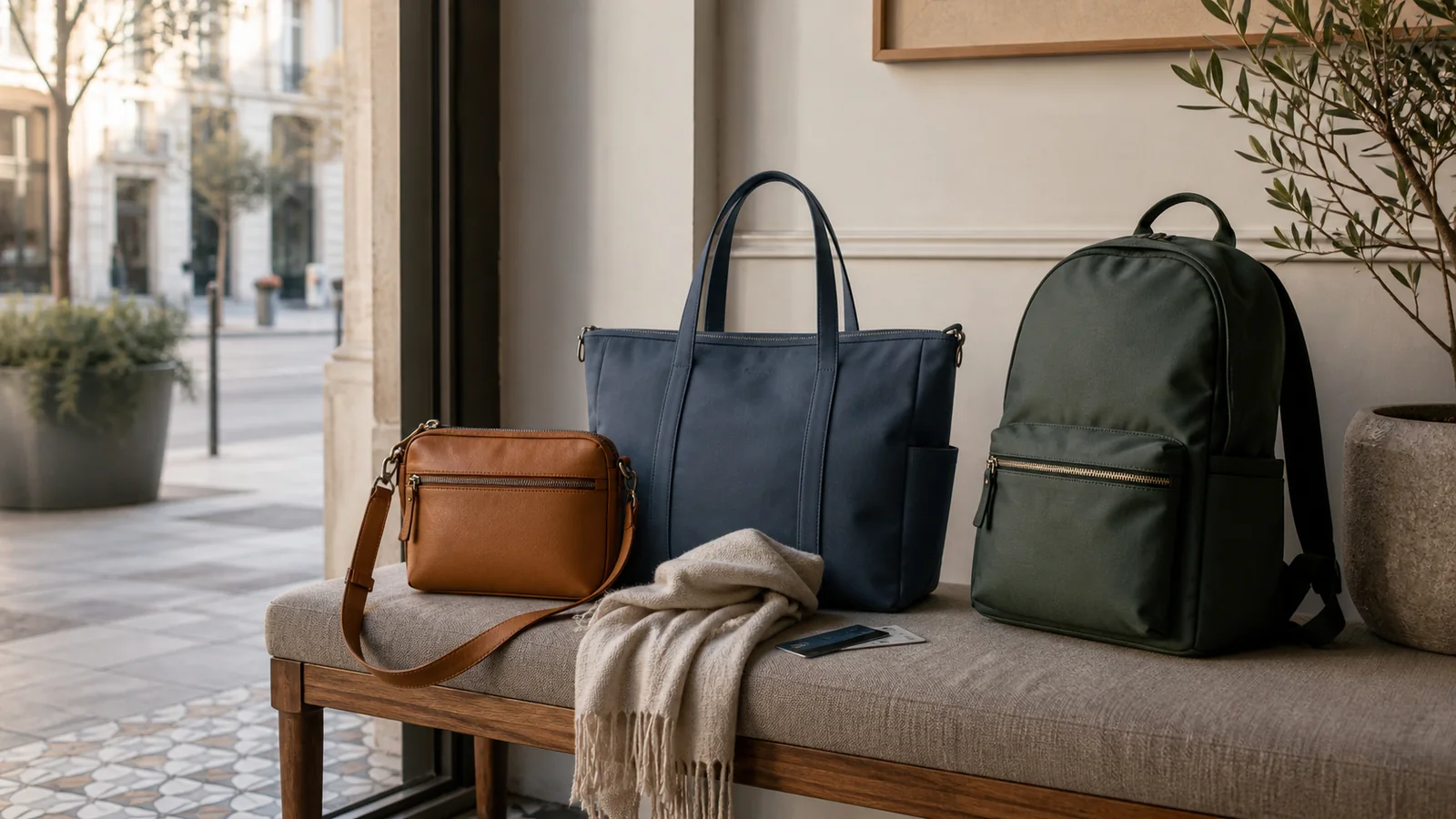
Women's Travel Bag: Best Styles for City Trips
Choose a women's travel bag by trip style, comfort, security, personal-item fit, and how you actually move all day.
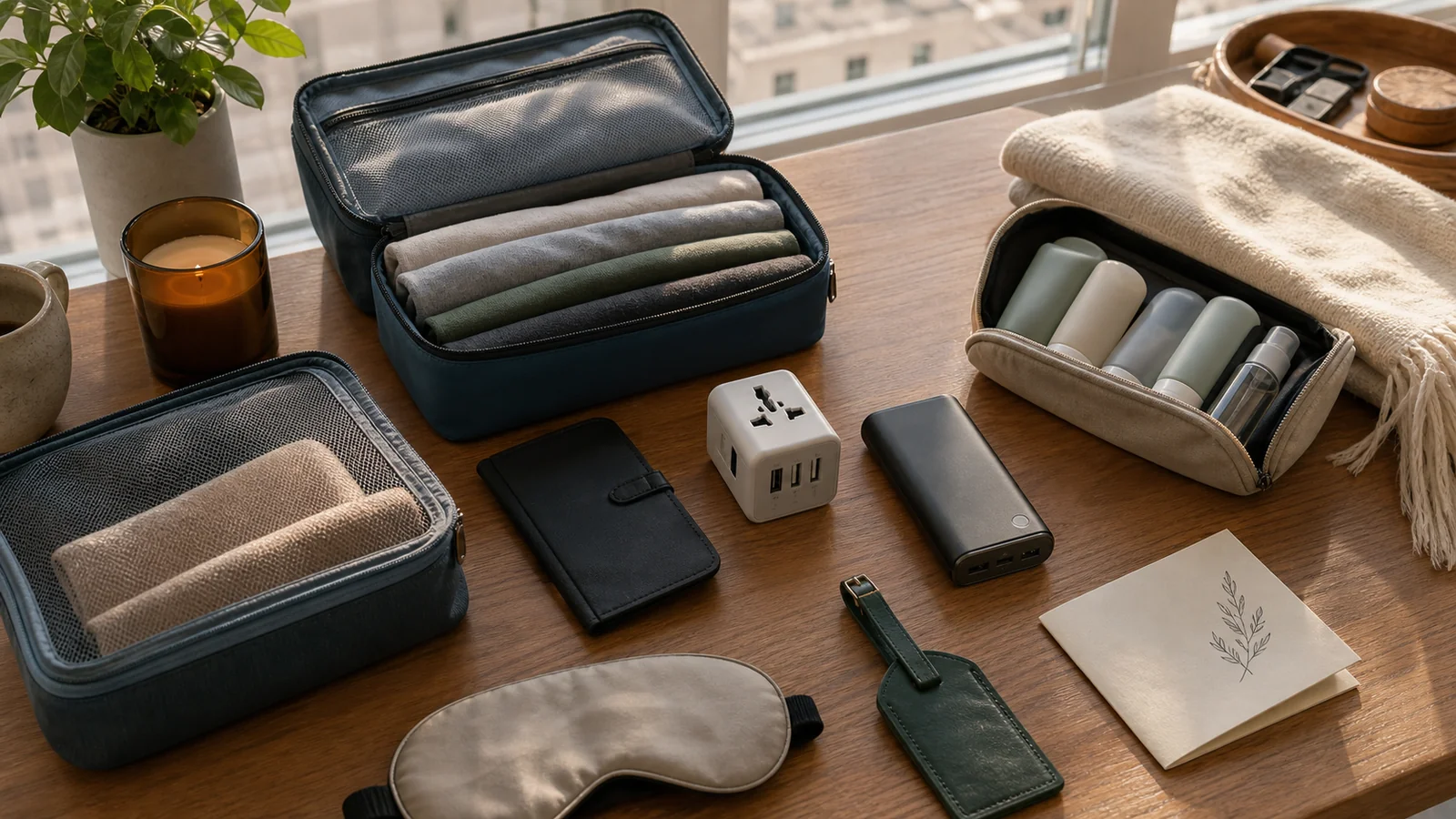
Travel Gifts That Slow Travelers Actually Use
Choose practical travel gifts by trip style, packing habits, comfort needs, and whether the item earns bag space.
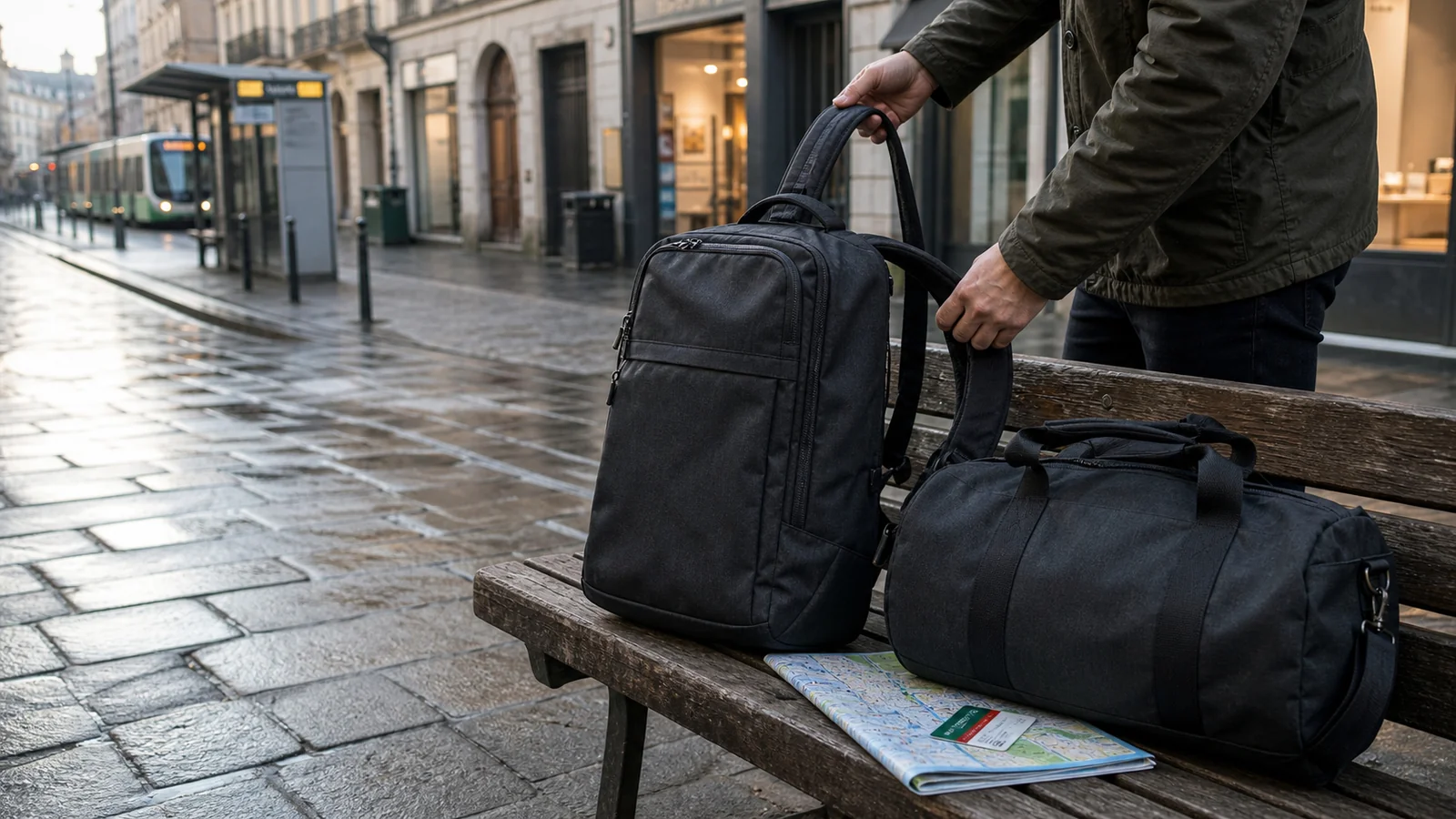
Guys Travel Bag: Choose One That Fits the Trip
Pick a guys travel bag by trip length, carry style, city walking, airline rules, and how much structure you need.