Guava Lotus Travel Crib: A Practical Review
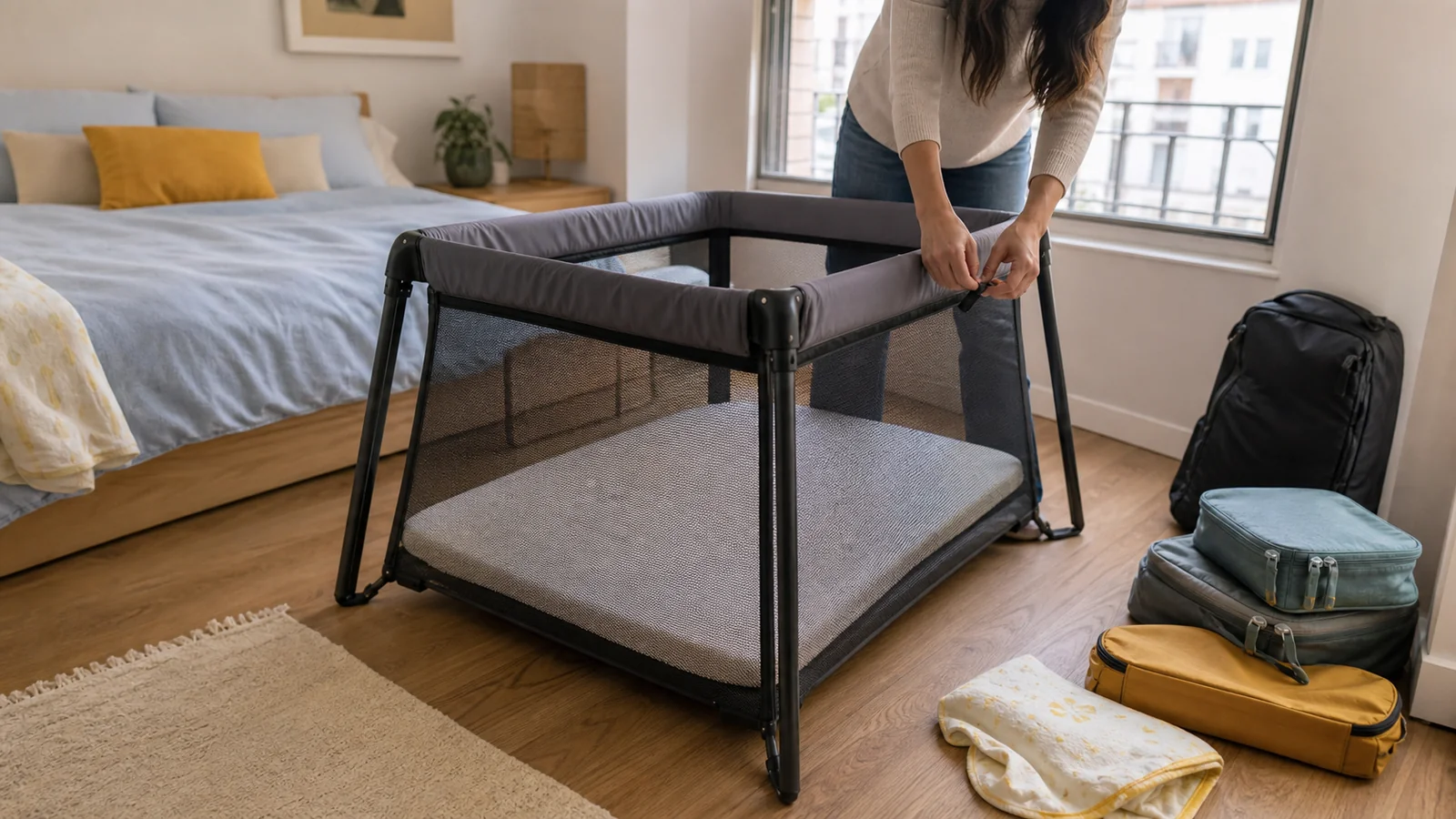
The Guava Lotus Travel Crib Is Built Around Portability
The Guava Lotus Travel Crib is a portable play yard and sleep space made for families who need a lighter way to handle naps, hotel rooms, relatives’ homes, and longer city stays. Its main promise is simple: fold small, carry like a backpack, set up without a bulky raised mattress frame, and give a baby or toddler a familiar contained space away from home.
This review-style guide evaluates the Lotus from published specifications, safety guidance, and real travel logistics. We are not claiming hands-on testing. For family travel, the more useful question is not whether the product looks clever. It is whether its design fits the way you actually move through airports, apartments, taxis, and small bedrooms.
The short version: the Guava Lotus Travel Crib makes sense for families who value backpack carry, compact storage, and a floor-supported mattress. It is less compelling if you want the cheapest travel crib, prefer a raised mattress, or need a setup that every caregiver can manage instantly.
Key Specs to Know Before You Compare
Guava lists the Lotus at 15 pounds including the carry bag, with a folded backpack size of about 24 by 12 by 8 inches. The setup footprint is about 45.5 by 31.5 inches, with a height of about 25.5 inches. The company says it is intended from newborn to around age three, or until the child can climb out.
Those numbers matter more than marketing language. A 15-pound travel crib is still a real item to carry, especially if you are also managing a stroller, car seat, diaper bag, and rolling suitcase. The backpack design helps because it frees your hands, but it does not make the crib weightless.
Use this quick read:
| Detail | Why it matters on a trip |
|---|---|
| 15-pound listed weight | Manageable for many adults, but still noticeable in airports |
| Backpack carry bag | Useful when you need both hands for a child or luggage |
| Floor-supported mattress | Keeps weight and packed bulk down, but sits low |
| Side zipper door | Helpful for soothing or play, but must be used as directed |
| Mesh sides | Better visibility and airflow than solid fabric sides |
If your trip already includes a car seat, compare the total load honestly. Our travel car seat guide can help you think through that full airport system.
What Works Well for Family Travel
The best argument for the Guava Lotus Travel Crib is its carry system. A travel crib that fits into a backpack-style case is easier to manage through check-in, train platforms, hotel stairs, and narrow sidewalks. That matters for independent families who do not want every transfer to feel like a gear parade.
It also folds compactly for storage. If you live in an apartment or travel by car with limited trunk space, a crib that packs into a flatter shape can be easier to bring than a bulkier play yard.
The side zipper can be useful too. Some parents like being able to lie beside the crib opening, settle a child, or turn the space into a play area. That feature is part of the Lotus identity, but it should not become a reason to ignore safe sleep habits. Zip and use it according to the manual.
For slow city stays, the Lotus fits best when you are spending several nights in one place. It gives your child a consistent sleep space while you keep days simple and neighborhood-focused.
The Floor Mattress Is the Biggest Design Choice
The Lotus uses a mattress supported by the floor rather than a raised platform. This helps reduce weight and packed size. It also means the child sleeps low to the ground.
That design has advantages:
- There is no raised support structure adding extra bulk.
- The crib can feel stable because the mattress rests on the floor.
- There is no listed child weight limit in the same way a suspended platform might have, though age and climbing limits still matter.
- The packed design can be more travel-friendly.
It also has tradeoffs:
- You bend lower to place or lift a baby.
- Cold floors may matter in some apartments or older homes.
- Some caregivers simply prefer a raised sleep surface.
- The crib needs enough clean, flat floor space.
This is the main fit question. If bending low is hard for you, or if you often stay in tiny rooms with awkward floor layouts, the Lotus may be less comfortable than it looks on a product page.
Safe Sleep Still Comes First
A travel crib is useful only if it is used safely. The American Academy of Pediatrics recommends a firm, flat, non-inclined sleep surface, with only a fitted sheet and no pillows, blankets, bumpers, loose bedding, or soft objects in the sleep area. The CPSC also regulates play yards as framed enclosures with mesh or fabric sides used for sleep and play.
For the Lotus, that means:
- Use the included mattress as directed.
- Use only sheets and accessories allowed by the manufacturer.
- Keep the sleep space bare.
- Stop using it when your child can climb out or exceeds the stated use guidance.
- Check for recalls, damage, missing parts, and loose fabric before travel.
- Follow the manual every time, especially if another caregiver sets it up.
Do not treat a travel crib as a flexible container for extra bedding. A familiar sleep space is helpful, but the safe setup needs to stay plain.
Airport and Train Travel
The backpack case is the Lotus feature most likely to matter at an airport. If one adult is traveling with a child, the ability to carry the crib on the back can be more useful than a hand-carry case.
Still, plan the full path:
- Home to car or rideshare.
- Check-in or bag drop.
- Security.
- Gate wait.
- Boarding or baggage decision.
- Arrival baggage claim.
- Transit to lodging.
If you are already wearing a personal backpack, you may need to rethink the load. You cannot comfortably wear two backpacks at once. A small crossbody or roller might pair better with the Lotus case.
For train travel in Europe or the United States, the compact folded shape can help, but the crib is still another piece to lift onto racks or tuck near your seat. It works best when you pack fewer other bulky items.
Hotel Rooms, Rentals, and Small Apartments
In a hotel room, the Lotus can be excellent if there is a clear patch of floor near the bed. In a tiny city apartment, it can become a puzzle. The setup footprint is larger than the folded size suggests, so do not assume it will fit anywhere.
Before you travel, think through:
- Where the crib will sit after lights out.
- Whether adults can still walk to the bathroom.
- Whether curtains, cords, heaters, or radiators are nearby.
- Whether the floor is flat, clean, and warm enough.
- Whether you need a separate sleep space from the main living area.
If you are booking an apartment rental, scan photos for floor space. A beautiful room with a bed, chair, desk, and suitcase stand may not have an obvious crib spot.
How It Compares With Renting a Crib
Many hotels and rentals can provide a crib or pack-and-play. That can save luggage space, but it adds uncertainty. You may not know the model, cleanliness, mattress fit, sheet availability, or whether the property will still have one when you arrive.
Bringing the Guava Lotus Travel Crib gives you control. Your child can sleep in the same setup across the trip, and you can practice assembly at home. The tradeoff is carrying it.
Bring your own if:
- Your child sleeps better in a familiar space.
- You are changing lodging more than once.
- The property cannot confirm a safe crib.
- You need a play space as well as a sleep space.
- You prefer to control cleanliness and setup.
Rent or borrow if:
- You are staying in one reliable hotel.
- You are traveling with too much other baby gear.
- You cannot comfortably carry 15 pounds more.
- The property can confirm the exact safe sleep option.
For stroller-heavy trips, our Nuna travel stroller guide may help you keep the rest of the gear plan realistic.
Who the Lotus Fits Best
The Guava Lotus Travel Crib fits families who travel often enough to care about portability. It is especially appealing for apartment stays, road trips, family visits, and longer city breaks where a familiar sleep space can calm the evening.
It is a strong fit if you:
- Want backpack-style carry.
- Need compact storage at home.
- Prefer a floor-supported travel crib.
- Travel with a baby or young toddler several times a year.
- Are willing to practice setup before leaving.
- Want one item for sleep and contained play.
It may not fit if you:
- Need the lowest-cost option.
- Prefer a raised mattress height.
- Have back or knee issues that make low lifting hard.
- Usually stay at hotels with reliable cribs.
- Are already carrying too much family gear.
The product is thoughtfully travel-oriented, but it is still a tradeoff. Your body, your child, and your travel style decide whether that tradeoff works.
Setup Tips Before the First Trip
Do not wait until bedtime in a new city to learn the setup. Open the crib at home, read the manual, and practice folding it back into the backpack case. Then let your child spend a few calm minutes near it before the trip.
Try this before departure:
- Set it up fully.
- Check that the mattress is flat and secured as instructed.
- Confirm the side zipper works smoothly.
- Put on the approved fitted sheet.
- Fold it back into the case.
- Carry it around the block with your real travel bag.
- Time the setup without rushing.
That last step matters. A travel crib only helps if you can set it up when everyone is tired.
Common Mistakes to Avoid
The main mistake is buying a travel crib based only on product photos. A crib can look compact online and still feel awkward when paired with a stroller, suitcase, and child.
Avoid:
- Packing unapproved mattress pads or soft bedding.
- Assuming every room has enough floor space.
- Forgetting to practice the fold.
- Letting another caregiver set it up without instructions.
- Keeping a climbing toddler in it too long.
- Carrying it by hand when the backpack setup would work better.
- Treating the side zipper as a casual sleep shortcut.
The Lotus is designed to travel, but good design does not replace a careful setup.
FAQ
Is the Guava Lotus Travel Crib good for flying?
It can be good for flying because the folded crib fits into a backpack-style carry case. The real question is whether you can manage it with the rest of your luggage, stroller, car seat, and child.
Can a baby sleep overnight in the Guava Lotus Travel Crib?
The Lotus is marketed as a travel crib and play yard, but you should follow the manufacturer instructions and safe sleep guidance. Use the included mattress as directed, a fitted sheet only, and keep the sleep space bare.
How much does the Guava Lotus Travel Crib weigh?
Guava lists the Lotus at 15 pounds including the carry bag. That is lighter than many traditional raised-mattress portable cribs, but it is still meaningful weight on a long travel day.
What age is the Guava Lotus Travel Crib for?
Guava lists it for newborns to around age three, or until the child can climb out. Your child’s size, development, and the manual matter more than age alone.
Is the Guava Lotus worth it?
It may be worth it if you travel regularly, want backpack carry, and like the floor-supported design. It may not be worth it if you travel rarely, need a lower-cost option, or prefer hotel-provided cribs.
The Bottom Line
The Guava Lotus Travel Crib is a smart choice for families who value compact folding, backpack carry, and a familiar sleep space on the road. Its strongest feature is not luxury. It is logistics.
Before you buy or pack it, think about your real travel day: who carries what, where the crib will sit, how low you need to bend, and whether you will use it often enough to justify the space and cost. For the right family, it can make nights away from home feel calmer. For the wrong setup, it is simply one more thing to carry.
You might also like
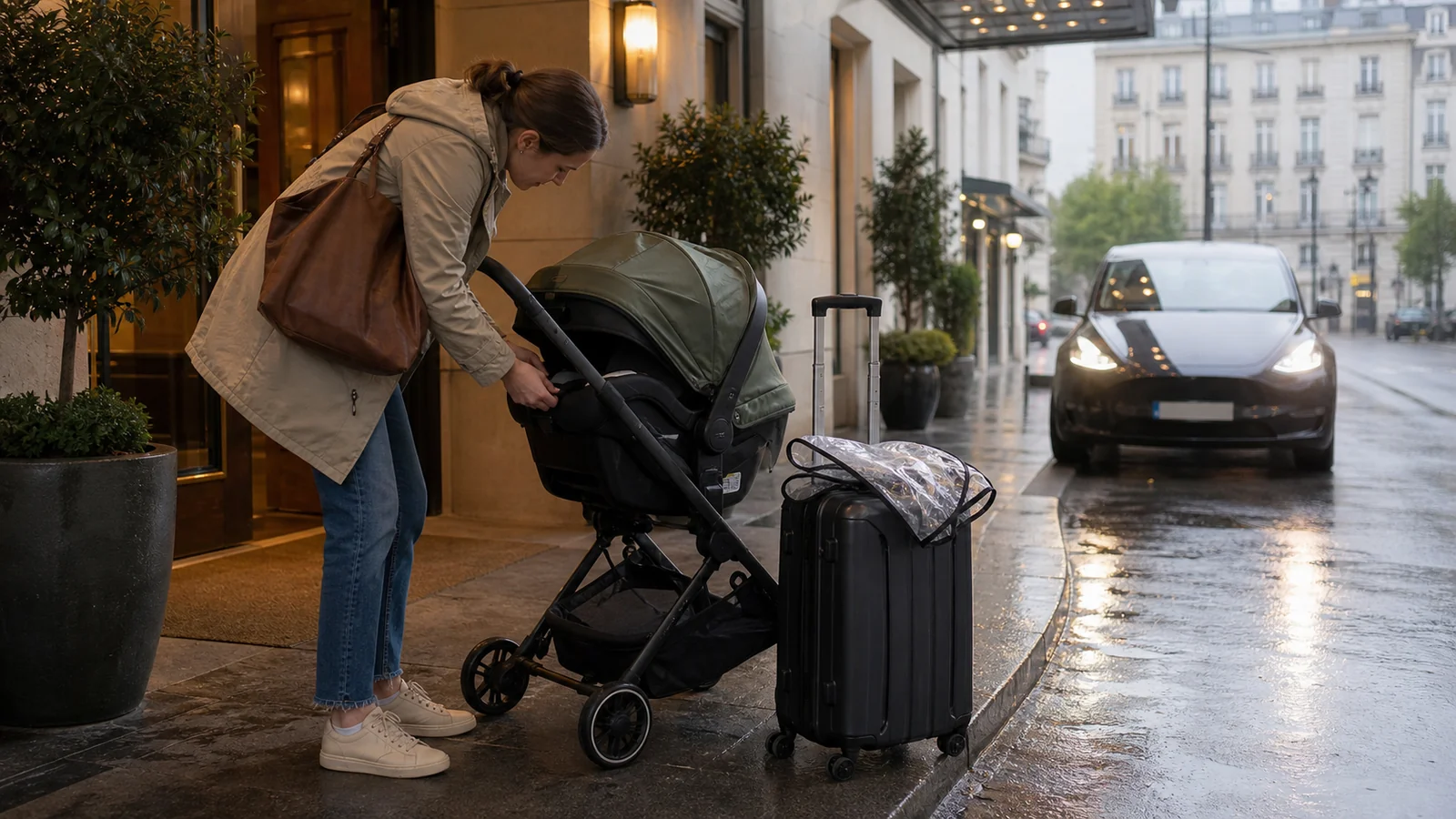
Nuna Travel System: City Trip Pros and Cons
Understand when a Nuna travel system helps family city travel, and when a lighter stroller setup may be easier.
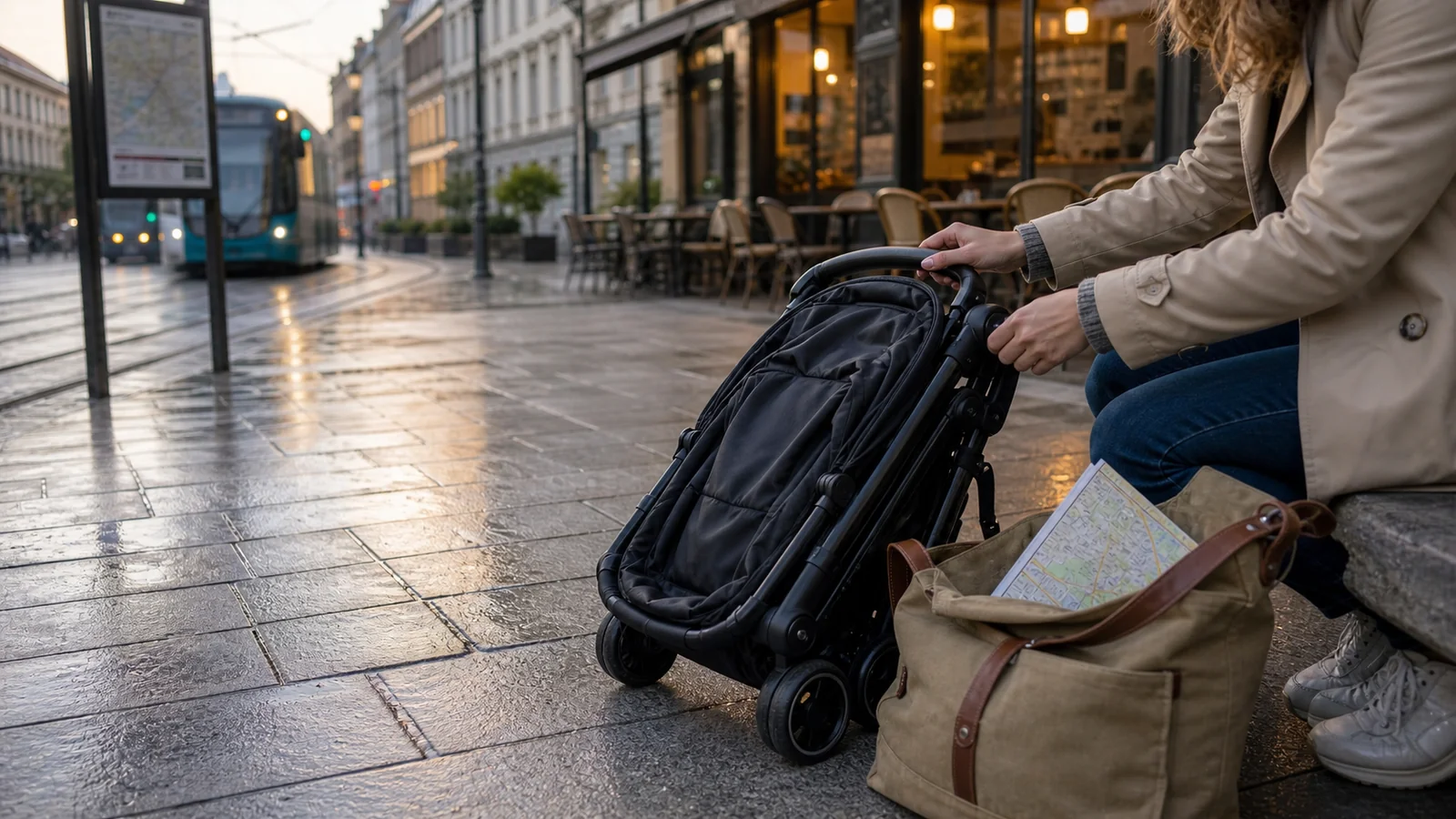
Nuna Travel Stroller: Is It Right for City Trips?
See whether a Nuna travel stroller fits city travel, airport days, transit, naps, luggage, and slow family wandering.
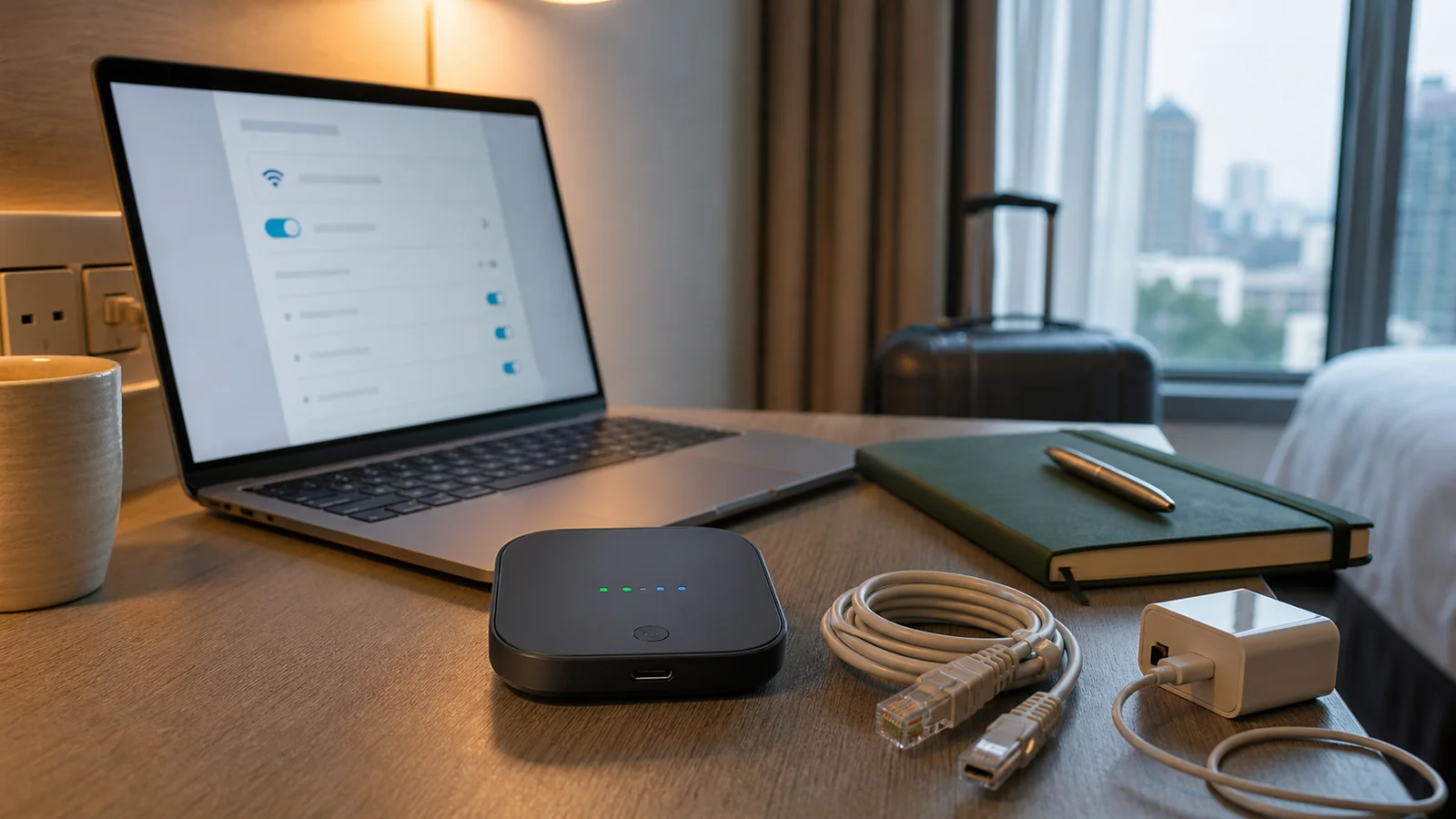
Travel Router: Is It Worth Packing for Wi-Fi?
Decide if a travel router fits your trip by checking hotel Wi-Fi, VPN needs, device limits, setup effort, and alternatives.