Nuna Travel System: City Trip Pros and Cons
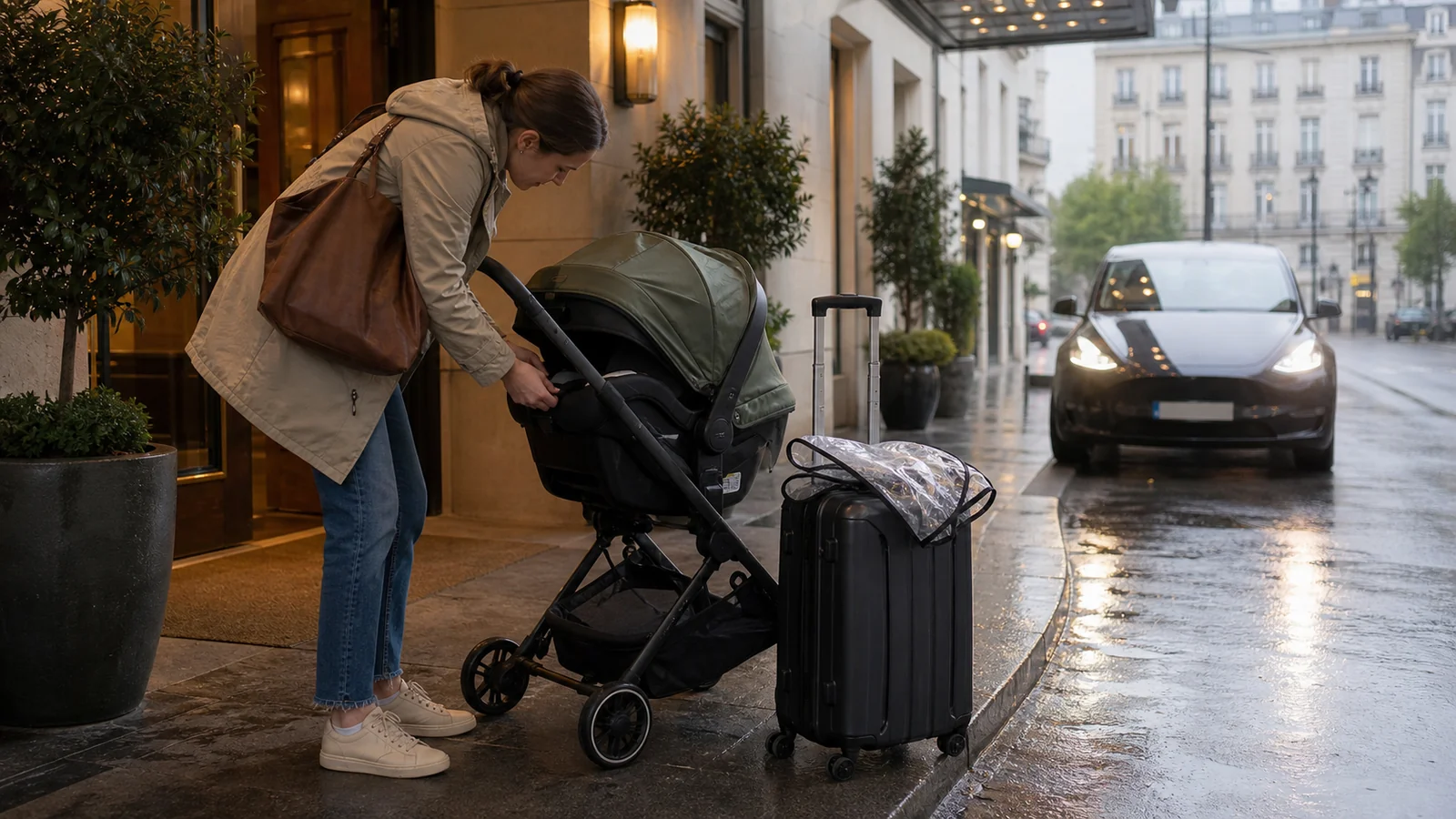
A Nuna Travel System Is About Transitions
A Nuna travel system usually means pairing a Nuna infant car seat with a compatible stroller so you can move a baby between car and sidewalk without rebuilding the whole setup. For travel, that promise sounds wonderful: airport arrival, taxi ride, hotel check-in, neighborhood walk, nap, repeat.
The real question is whether those smooth transitions matter more than the extra bulk, cost, and planning. On a slow city trip, the answer depends on your baby’s age, your transport style, your lodging, and how often cars will be part of the day.
We have not personally tested every Nuna combination. This review-style guide uses official product patterns, car-seat safety guidance, and practical city travel criteria to help you decide whether a Nuna travel system fits your route.
Quick Verdict
A Nuna travel system makes the most sense for trips with an infant, regular car rides, hotel or apartment elevators, and parents who want one coordinated setup. It is less useful for older babies who prefer sitting up, cities where you mostly walk and use trains, or routes with lots of stairs.
| Best fit | Think twice if |
|---|---|
| Infant travel with taxis or rental cars | You will rarely use a car |
| Smooth sidewalks and elevator access | Your lodging has stairs and no lift |
| Parents already using Nuna at home | You need the lightest possible setup |
| Short transfers between car and stroller | Your baby needs long stroller naps daily |
If you are only looking at the stroller side, our Nuna travel stroller guide covers that narrower decision in more detail.
What Counts as a Nuna Travel System?
The phrase “Nuna travel system” can mean different combinations. Some families mean a Nuna infant car seat clipped into a Nuna stroller. Others mean a compact travel stroller that accepts a Nuna infant seat with adapters. Retailers may also bundle pieces under names that change over time.
Before planning a trip around any system, confirm the current official details for your exact items:
- Infant car seat model and base options
- Stroller model and adapter requirements
- Weight limits and age guidance
- Whether the stroller seat must be removed before attaching the car seat
- Fold size with and without adapters
- Whether the car seat is approved for aircraft use
- Cleaning instructions after gate-checking or rainy travel days
Compatibility matters. A system that works perfectly at home can become annoying if you forget an adapter, bring the wrong base, or discover that the stroller fold changes once the travel pieces are attached.
The Biggest Advantage: Car-to-Sidewalk Ease
The best reason to use a travel system is the transition from car to sidewalk. If your baby is sleeping in the infant seat, you can often move from taxi or rental car to stroller without waking them. That can make arrival day calmer, especially after a long flight.
This is useful when your trip includes:
- Airport transfers by car
- Ride-hail or taxi trips across town
- Rental car days outside the city
- Hotel check-ins before nap time
- Weather that makes long babywearing less comfortable
For slow travel, this advantage is real but narrow. It helps most on transfer days. It does not automatically make museum stairs, crowded cafes, tiny elevators, or old sidewalks easier.
The Main Tradeoff: More Pieces to Manage
A travel system can feel elegant until you are managing the car seat, stroller frame, adapters, diaper bag, suitcase, rain cover, and your own documents. The more pieces the system needs, the more careful your travel routine has to be.
Ask one honest question: can one adult manage the whole setup alone for ten minutes?
If the answer is no, build the trip around two-adult transitions or choose a simpler setup. This matters at hotel entrances, train platforms, airport security, and apartment stairwells. A premium system can still be too much gear when the day is narrow, wet, or crowded.
Before departure, practice:
- Installing and removing the car seat.
- Attaching the seat to the stroller.
- Folding the stroller with the adapters handled correctly.
- Carrying the car seat and folded stroller separately.
- Loading everything into a small car trunk.
The practice run is not glamorous, but it reveals whether the system is travel-ready or just showroom-ready.
Car Seat Safety Comes Before Convenience
The travel system is only useful if the infant seat is installed correctly whenever it is used in a vehicle. The National Highway Traffic Safety Administration emphasizes choosing the right seat for the child’s age and size and using it according to both the car seat instructions and the vehicle instructions.
That means you should not assume a quick taxi ride is simple. You need to know whether you will use a base, a baseless seat-belt installation, or a rental car setup. You also need to practice before the trip, not for the first time while a driver waits at the curb.
For city trips, decide in advance:
- Will you bring the car seat base?
- Are you comfortable installing the seat without the base if the model allows it?
- Will you use taxis, ride-hail, rental cars, or mostly public transit?
- Does your destination require a different legal setup than home?
- Can you store the seat safely when you are out walking?
Convenience should follow safety, not the other way around.
Airports and Flights
Air travel adds another layer. Some infant car seats are approved for aircraft use, but approval depends on the exact seat and labeling. Airlines may have seat-size rules, aircraft limits, and their own procedures. If you plan to use a car seat onboard, confirm the policy directly with the airline before you travel.
If you gate-check the stroller or car seat, expect normal travel wear. A protective bag can help, but it does not turn checked baby gear into a fragile item. Remove adapters, cup holders, toys, and loose accessories before handing anything over.
At security, be ready to fold or separate pieces. The calmer you make the setup, the easier the line feels. Keep passports, boarding passes, and medication in a separate parent bag, not in the stroller basket.
City Walking and Public Transit
A travel system is usually at its best on smooth sidewalks and short car-to-stroller transfers. Public transit can be more complicated. Elevators may be out of service, platforms may be narrow, and buses may require a quick fold depending on local rules and crowding.
If your trip is mostly Paris Metro stairs, old Lisbon hills, small Italian lanes, or crowded buses, a full travel system may feel heavy. If your trip is a hotel near a flat waterfront, short taxi rides, and stroller-friendly museums, it may feel easy.
Use this route filter:
| Route style | System fit |
|---|---|
| Airport taxi plus hotel elevator | Strong fit |
| Mostly trains with stairs | Weaker fit |
| Rental car day trips | Strong fit if installation is easy |
| Compact old-town wandering | Mixed, depends on wheel comfort and weight |
| Resort or large hotel stay | Often easy |
Map the hard parts before you go. The issue is rarely the pretty morning walk. It is the one stairwell, late train, or tight restaurant that exposes too much gear.
Sleep, Position, and Time in the Car Seat
Infant car seats are designed for vehicle safety, not as all-day stroller seats. Many parents use them briefly outside the car because the travel system allows it, but long stretches in a car seat are not the same as resting in a stroller bassinet, crib, or flat sleep space.
For a slow trip, plan regular breaks where the baby can come out of the seat. This may mean returning to the hotel, using a safe sleep setup, or choosing shorter outings. Do not let the convenience of a clicked-in car seat turn into a full day of container time.
This is where the slow travel mindset helps. Fewer stops, shorter transfers, and longer pauses often work better for parents and babies than an ambitious route with too many transitions.
Nuna Travel System vs Travel Stroller Only
The simplest comparison is this: a travel system helps most when car rides are part of the plan; a travel stroller alone helps most when walking and transit are the plan.
| Choose a travel system if | Choose a stroller-only setup if |
|---|---|
| Your baby is still in an infant car seat | Your child sits comfortably in the stroller seat |
| You will use taxis or rental cars often | You will mostly walk, use trains, or stay central |
| You value car-to-stroller transfers | You value lower weight and fewer pieces |
| You already own compatible Nuna gear | You are buying mainly for one city trip |
Families sometimes bring both an infant seat and a travel stroller but do not use them as a full system every day. That can work if you keep the daily plan clear: car seat for car travel, stroller seat for city wandering.
Who Should Skip a Nuna Travel System for Travel?
Skip or simplify the system if your trip is mostly car-free, your lodging has no elevator, or your destination has rough sidewalks and many steps. Also think twice if you are traveling solo with multiple bags, because the setup may require more hands than the trip allows.
You may prefer another setup if:
- Your child is past the infant-seat stage.
- You can rent a safe car seat at the destination from a trusted provider.
- Babywearing plus a compact stroller fits the route better.
- You need to board trains quickly.
- You are taking a short domestic trip with minimal car time.
The right answer is the one that makes the hardest part of your trip easier, not the one that looks most complete on a product page.
FAQ
Is a Nuna travel system good for travel?
It can be good for infant trips with car transfers, smooth sidewalks, and elevator access. It is less useful for stair-heavy, train-heavy, or rough-street routes where fewer pieces and lower weight matter more.
Can I use a Nuna infant car seat without the base when traveling?
Some infant car seats allow baseless installation with a vehicle seat belt, but you must check the instructions for your exact model and practice before travel. If you are unsure, get help from a certified car seat technician before the trip.
Should I bring the car seat base on a trip?
Bring the base if it makes installation safer and easier for your route, especially with a rental car. Skip it only if your seat allows baseless installation and you are confident doing it correctly.
Is a travel system too bulky for Europe?
It can be, depending on the city. Elevator access, smooth sidewalks, and taxis make it easier. Metro stairs, cobblestones, tiny hotel rooms, and crowded restaurants make it harder.
Do I need a Nuna stroller if I already have a Nuna car seat?
Not always. A compatible stroller can be convenient, but you may prefer a lighter stroller, a carrier, or a rental setup depending on your trip length, destination, and baby’s age.
The Bottom Line
A Nuna travel system is strongest on trips where an infant car seat and stroller need to work together often: airport transfers, rental car days, hotel arrivals, and smoother city walks. It is weaker when your route is mostly stairs, trains, rough lanes, and tiny rooms.
Before choosing it, map the transitions. If the system makes those moments calmer and you can manage the pieces safely, it may be worth packing. If it adds more bulk than it removes stress, a lighter travel stroller or simpler baby travel setup may give your city days more room to breathe.
You might also like

Guava Lotus Travel Crib: A Practical Review
See where the Guava Lotus Travel Crib works well for family trips, and where its floor mattress and price may not fit.
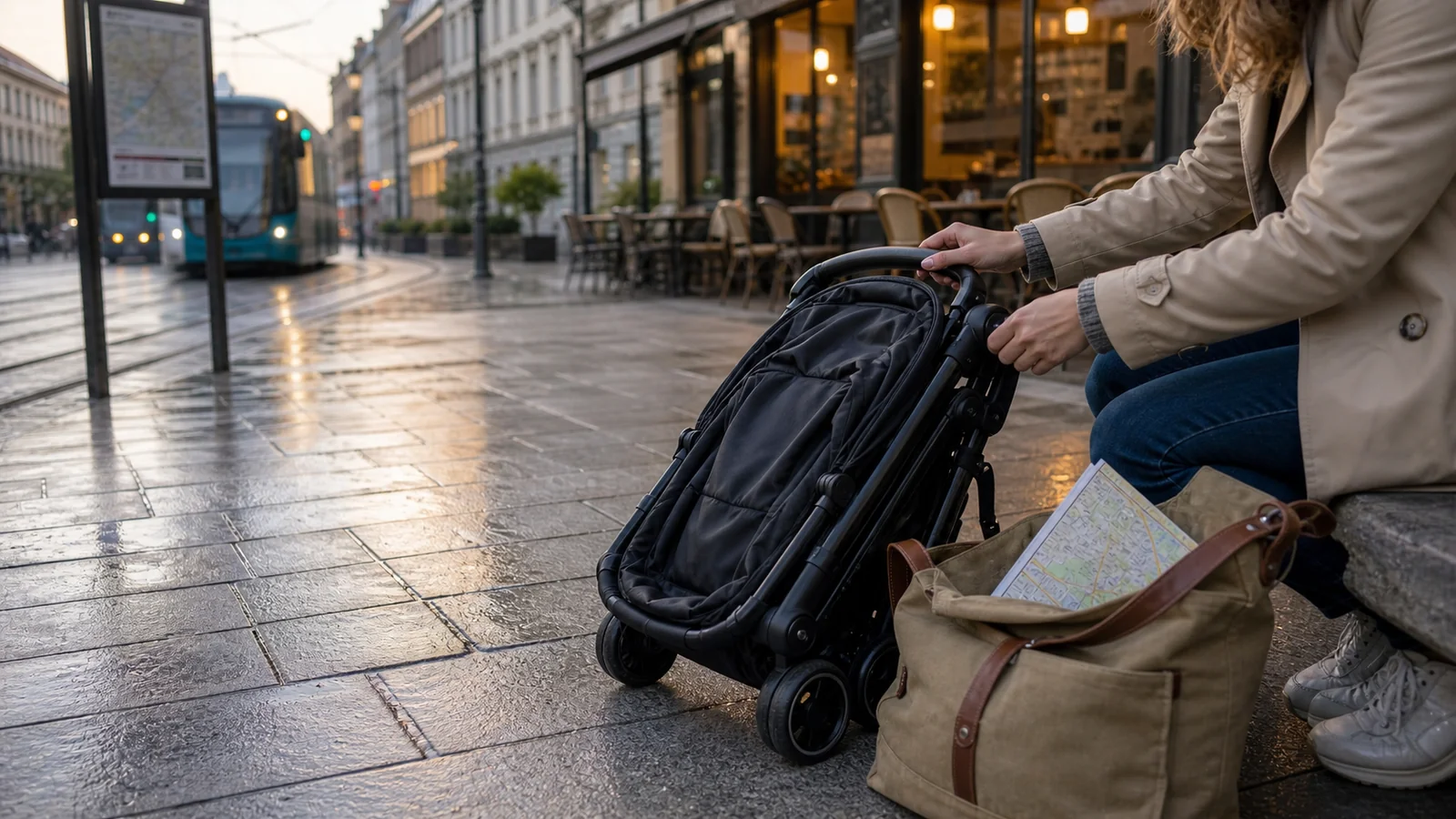
Nuna Travel Stroller: Is It Right for City Trips?
See whether a Nuna travel stroller fits city travel, airport days, transit, naps, luggage, and slow family wandering.
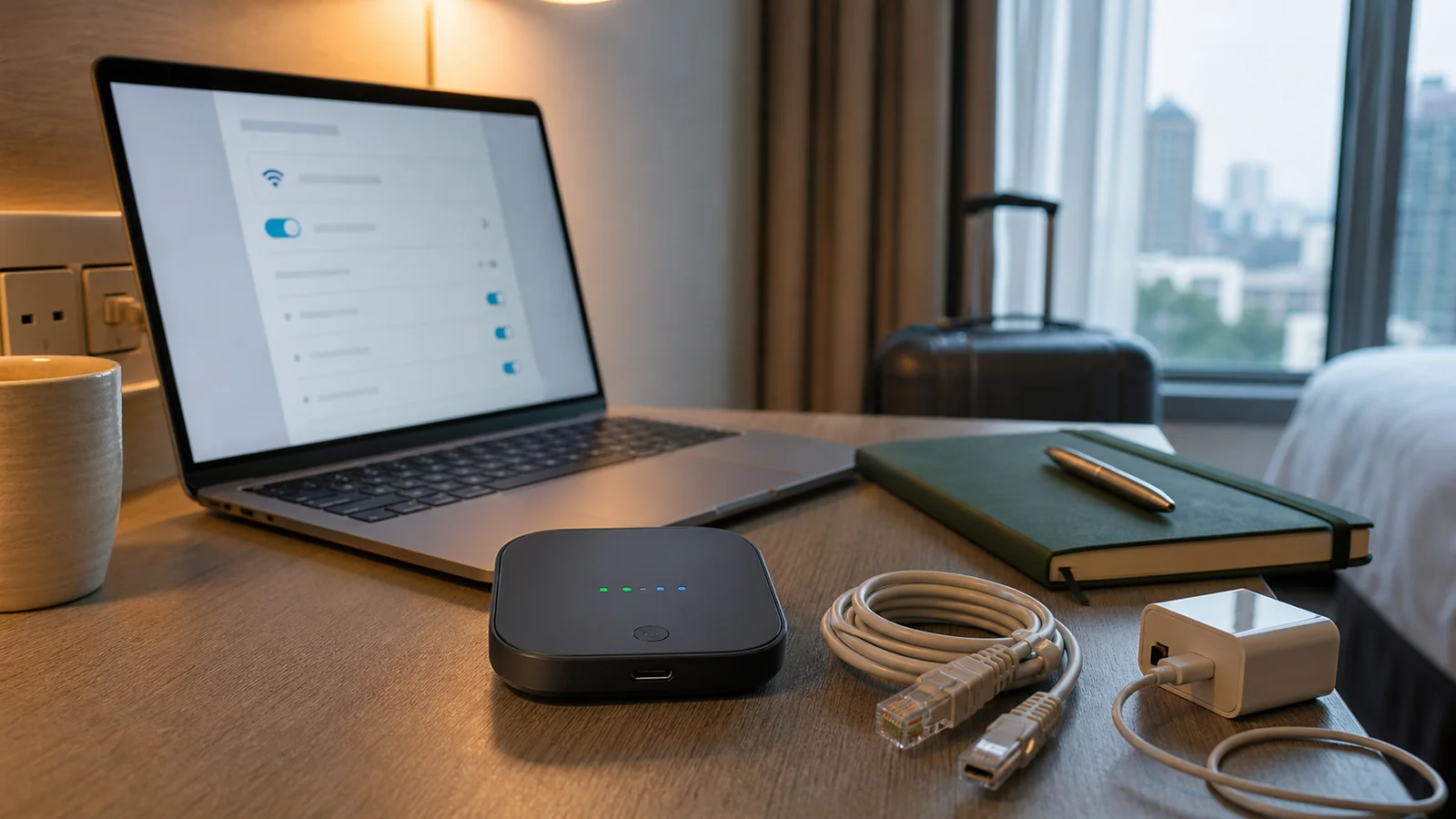
Travel Router: Is It Worth Packing for Wi-Fi?
Decide if a travel router fits your trip by checking hotel Wi-Fi, VPN needs, device limits, setup effort, and alternatives.