Women's Travel Rucksack: Fit and Packing Guide
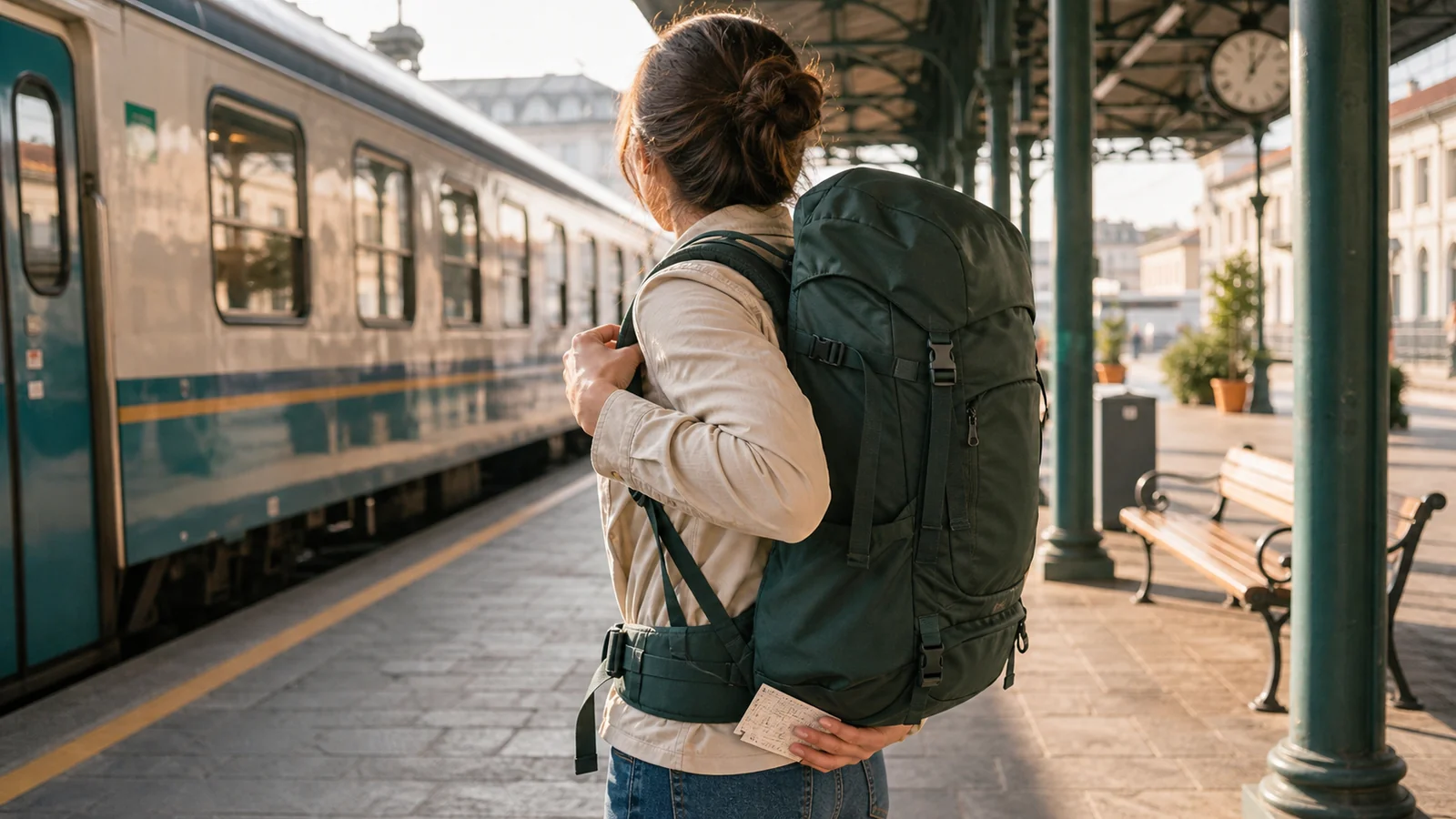
A Women’s Travel Rucksack Should Fit Your Body, Not Just Your Style
A women’s travel rucksack can be a brilliant one-bag setup for city breaks, train trips, hostel stays, and flexible routes. It can also become the thing you resent by day two if the shoulder straps dig in, the hipbelt lands wrong, or the bag is too deep for crowded transit.
The word “women’s” should mean more than color. In the best cases, it points to a shorter torso range, shaped shoulder straps, a hipbelt that fits the body better, and a carry system that makes weight feel manageable. In the worst cases, it is just marketing.
We have not lab-tested every rucksack on the market. This review-style guide uses fit principles, official product specs, airline realities, and slow city travel needs to help you choose what to try on and what to avoid.
Quick Verdict for Slow Travel
A women’s travel rucksack is worth considering if you want both hands free, expect stairs or cobblestones, and prefer one flexible bag over a roller. It is less ideal if you dislike carrying weight, need formal clothing to stay crisp, or tend to overpack.
The best travel rucksack for women is usually not the biggest one. For city travel, 28 to 40 liters often works better than a large trekking pack. It keeps the bag easier to lift, easier to store, and less tempting to fill with “just in case” items.
| Best fit | Think twice if |
|---|---|
| Train trips and walkable city bases | You will carry heavy camera or work gear daily |
| Hostels, guesthouses, and stairs | You need wrinkle-free business clothing |
| Travelers with compact packing habits | You usually pack for every possible weather mood |
| Routes with uneven streets | You have back, neck, or shoulder issues that make packs painful |
If you are still comparing broad backpack options, our budget travel backpack guide is a useful companion.
Fit Comes Before Capacity
REI’s backpack fit guidance starts with torso length and hip size, and that is the right order for travel packs too. A rucksack can have excellent materials and clever pockets, but if the harness does not fit, the bag will feel heavier than it is.
Check these fit points:
- The pack size matches your torso length.
- The hipbelt rests around the top of your hips, not your waist.
- Most of the load can sit on your hips, not your shoulders.
- Shoulder straps curve without rubbing your neck or chest.
- The sternum strap adjusts to a comfortable height.
- Load lifters, if included, do not pull at a strange angle.
- The bag feels stable when you walk, turn, and climb stairs.
Try the pack with weight inside. An empty bag in a shop tells you almost nothing. Use sample weights if available, or bring your packed cubes when trying a bag at home.
What Makes a Pack Women’s Specific?
Women’s specific packs often have shorter torso ranges, narrower shoulder widths, more curved shoulder straps, and hipbelts shaped for a different hip angle. These details can help many travelers, but they are not universal.
You may prefer a women’s pack if:
- Most unisex packs feel too long.
- Shoulder straps sit too wide.
- Hipbelts do not wrap securely.
- The sternum strap sits awkwardly.
- You are between sizes and need more adjustment.
You may prefer a unisex or men’s pack if that fits your body better. The label is less important than the carry. A good shop return policy can be more useful than the word “women’s” on the tag.
Capacity: 28L, 35L, 40L, or Bigger?
Capacity depends on trip length, season, laundry access, and your tolerance for repeating outfits. For slow city travel, smaller often makes the trip easier.
| Capacity | Best use | Tradeoff |
|---|---|---|
| 24-28L | Weekend trips, warm weather, minimal packing | Little room for bulky layers |
| 30-35L | One-week city trips with laundry | Requires disciplined toiletries and shoes |
| 36-40L | Longer trips, cooler weather, one-bag travel | Can get heavy when fully packed |
| 45L+ | Trekking, multi-climate routes, checked luggage | Too large for many carry-on setups |
Many travelers see 40 liters as the upper edge for carry-on style travel, but dimensions matter more than volume. A 40L pack can be carry-on friendly or too large depending on its shape and airline rules.
Carry-On Size Is Not Guaranteed
Do not trust the word “travel” as proof that a rucksack fits every airline. Airlines set their own carry-on limits, and staff can enforce them differently. A soft pack may compress, but only if you leave room to compress it.
Check the published dimensions, then compare them with the airlines you actually fly. The Osprey Fairview 40, for example, is often discussed as a women’s travel pack because it has an adjustable torso and a stowaway harness, while its listed dimensions sit close to common carry-on limits. That does not mean every full pack will pass every gate.
Before buying, ask:
- Does the pack fit your most restrictive airline?
- Is the frame flexible or rigid?
- Can the depth compress when not overfilled?
- Are exterior pockets likely to bulge?
- Will you carry a personal item too?
- Do you need to remove the hipbelt before boarding?
For U.S. security, remember the TSA’s 3-1-1 liquids rule if you are packing toiletries in a carry-on. A rucksack with a quick-access top pocket can help, but it does not change the rule.
Panel Opening vs Top Loading
Traditional rucksacks often load from the top. That works well outdoors, but it can be frustrating in a hostel, hotel, or small apartment. For city travel, a clamshell or large panel opening is usually easier.
Panel-opening bags let you pack like a suitcase. You can see clothing, grab a packing cube, and repack quickly. Top-loading bags can be lighter and narrower, but they often turn into a vertical tunnel.
Choose panel access if:
- You change lodging often.
- You use packing cubes.
- You want easy access in a small room.
- You do not want to unpack everything to find socks.
Choose top loading if:
- You care more about hiking comfort.
- You carry fewer items.
- You value a slimmer profile.
- You already know you like the style.
For Mapless Mornings-style trips, panel access usually wins because city travel is full of short stops and imperfect surfaces.
Hipbelt, Frame, and Back Panel
A true travel rucksack should not hang only from your shoulders. A supportive hipbelt matters when the pack gets above light weekend weight. A frame or frame sheet can also help transfer weight and keep the back panel from collapsing into a lump.
The tradeoff is bulk. A fully featured harness adds weight and can make the bag harder to slide under a seat or into a locker. Some travel packs solve this with a stowaway harness. That is useful when checking the bag or moving through tight spaces.
Look for:
- Padded hipbelt that lands in the right place
- Adjustable torso length when possible
- Breathable back panel
- Load lifters on larger packs
- Stowaway straps if you fly often
- Side and top handles for lifting
If the hipbelt does not fit, do not tell yourself you will just use the shoulder straps. That is how a promising bag becomes a painful one.
Pockets and Organization
Too many pockets can be as annoying as too few. Each pocket adds seams, zippers, and places to lose things. For travel, the best organization is simple and predictable.
Useful features include:
- A secure passport or wallet pocket
- A laptop sleeve if you travel with a computer
- External water bottle pocket
- Internal compression straps
- Lockable zipper sliders
- A quick pocket for headphones or lip balm
- A luggage pass-through if you sometimes use a roller
Be cautious with tiny decorative pockets. They may look useful but disappear under clothing pressure when the bag is full.
Materials and Weather
Most travel rucksacks are water resistant, not waterproof. Durable water repellent finishes, coated panels, and included rain covers can help in light rain, but seams and zippers still matter. If you are walking through Edinburgh drizzle, Amsterdam showers, or a humid summer station, keep electronics and documents protected inside.
You do not need expedition-level fabric for city travel. You do need zippers that move cleanly, stitching that looks strong, and fabric that can handle being placed on train floors, luggage racks, and apartment entryways.
Use a dry bag or simple plastic pouch for:
- Passport copies
- Medication
- Electronics
- Charging cables
- A change of socks
- Wet swimsuit or laundry
Good materials help, but packing habits still protect the trip.
How to Test a Women’s Travel Rucksack at Home
Do not decide from photos. Test the bag before the return window closes.
- Pack it with the clothes and shoes you would take for five to seven days.
- Add toiletries, charger, water bottle, and a light jacket.
- Walk for 20 minutes.
- Climb stairs.
- Sit on public transit or a narrow chair.
- Open it in a small space.
- Remove your liquids bag and passport quickly.
- Lift it overhead as if placing it in a train rack.
Notice what bothers you after 15 minutes, not after 15 seconds. Shoulder rub, hipbelt pressure, and back heat usually show up once the novelty fades.
Who Should Skip a Rucksack
A travel rucksack is not a moral achievement. It is just one luggage style. You might be happier with a roller, duffel, or hybrid bag.
Skip or reconsider if:
- You have pain that gets worse under shoulder load.
- You need formal outfits to stay smooth.
- You travel with heavy tech gear.
- You are often in airports with smooth floors and elevators.
- You prefer packing more than carrying less.
- You will use taxis more than trains or walking routes.
There is no prize for suffering elegantly through a station with the wrong bag.
FAQ
What size women’s travel rucksack is best for carry-on travel?
For many city trips, 30 to 40 liters is the practical range. Check the actual dimensions against your airline, because volume alone does not prove carry-on fit.
Is a women’s rucksack better than a unisex backpack?
It can be if the torso range, shoulder straps, and hipbelt fit you better. It is not automatically better. Try both if possible and choose by comfort under real weight.
Should a travel rucksack have a hipbelt?
For heavier packs, yes. A good hipbelt helps move weight to your hips. For very light weekend loads, a simple strapless pack may be enough.
Is 40 liters too big for a women’s travel backpack?
Not always, but it can get heavy. A 40L bag works best when you pack with restraint and the dimensions fit your airline. Overfilled 40L packs can become uncomfortable fast.
Are top-loading rucksacks good for travel?
They can work, especially if you pack lightly. For city travel, panel-opening bags are often easier because you can reach items without digging through the whole bag.
The Bottom Line
A women’s travel rucksack should earn its place through fit, comfort, and practical access. Ignore colors and product names until the torso length, hipbelt, shoulder straps, and carry-on dimensions make sense.
For slow city trips, choose the smallest comfortable pack that holds your real essentials. The best rucksack is the one that lets you walk from station to neighborhood without thinking about your luggage every five minutes.
You might also like
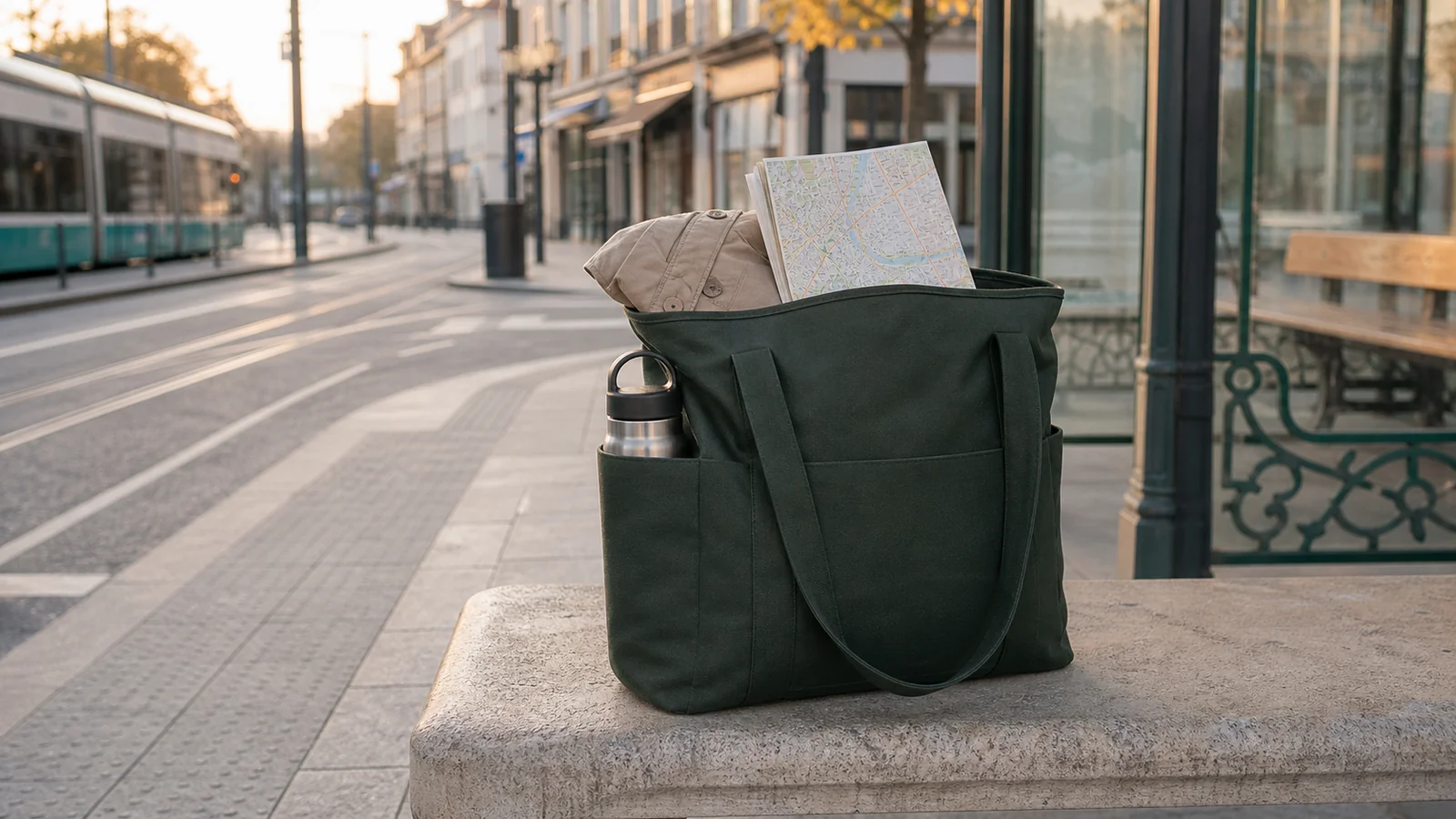
Travel Tote: How to Choose One That Works
Choose a travel tote by size, zipper, laptop space, underseat fit, strap comfort, and how you move through a city.

Mr. Fuel Travel Center: Road Stop Guide
Use Mr. Fuel Travel Center listings wisely by checking services, parking, food, timing, app details, and route fit.
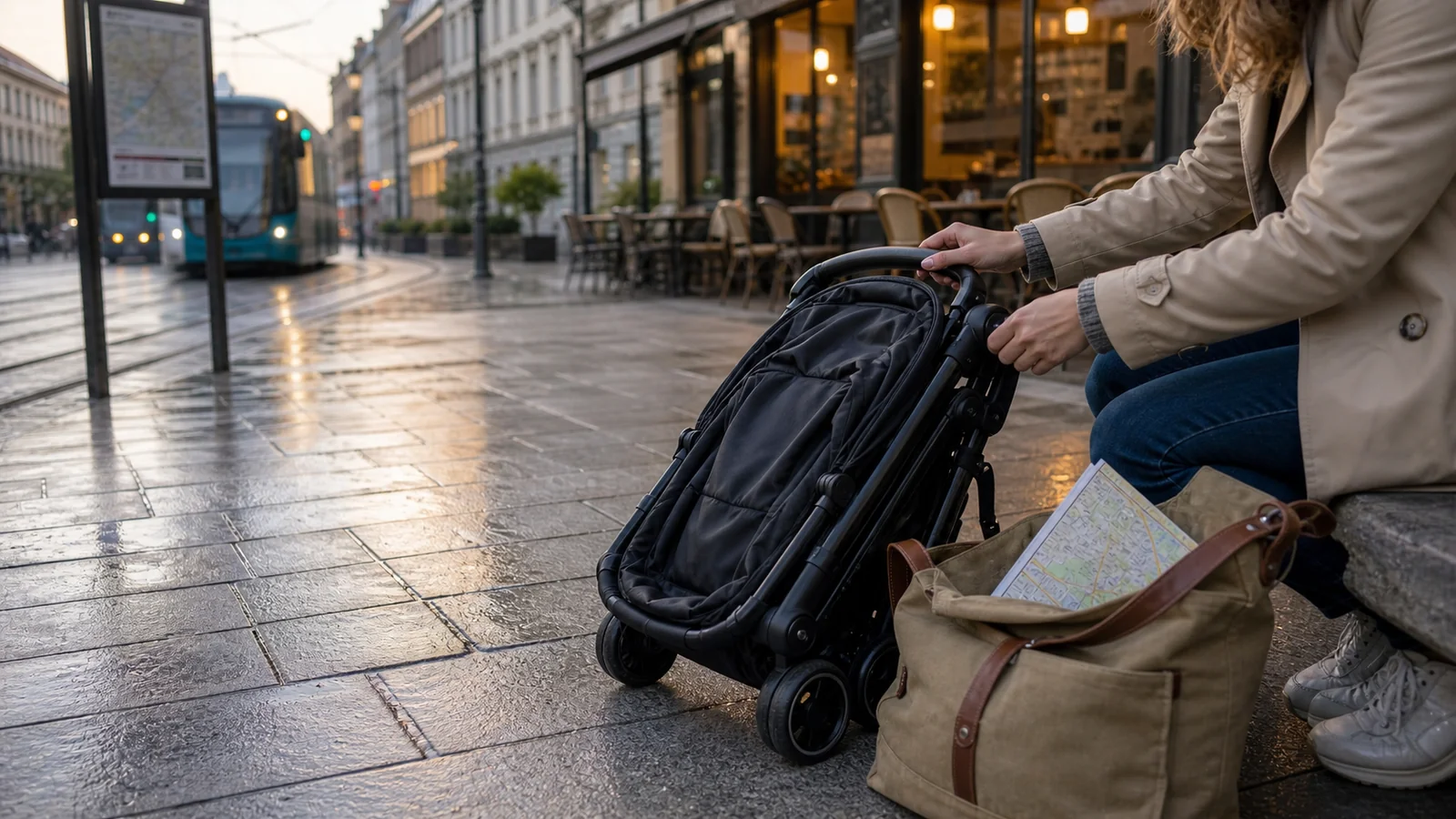
Nuna Travel Stroller: Is It Right for City Trips?
See whether a Nuna travel stroller fits city travel, airport days, transit, naps, luggage, and slow family wandering.