Japan Travel Packages: How to Choose Calmly
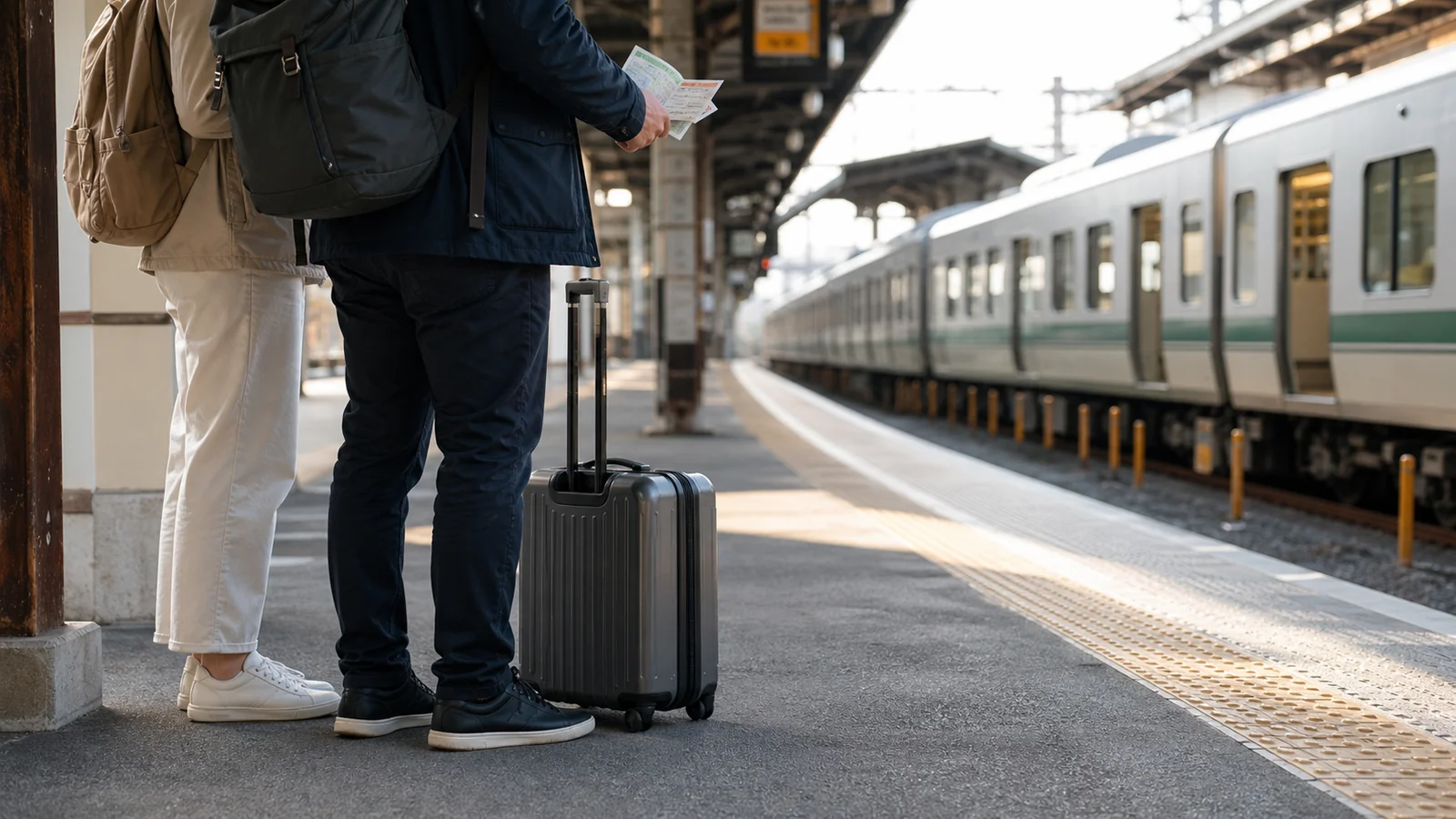
Japan Travel Packages Can Help, But Only If the Pace Fits
Japan travel packages can make a first trip feel less intimidating. Flights, hotels, rail routes, transfers, guides, and day trips can be hard to compare from a distance, especially if you want Tokyo, Kyoto, Osaka, and one or two quieter stops in the same journey.
The risk is that a package can turn a rich country into a checklist. If every day has an early start, a long transfer, a famous sight, and a group dinner, you may see a lot and absorb very little. For Mapless Mornings-style travel, the best package is not the one with the longest itinerary. It is the one that handles the hard logistics while still leaving space for a morning lane, a local train ride, or an unplanned meal.
Before comparing prices, compare rhythm. How many hotel changes are included? How many hours are spent on trains? Which days are guided, and which days are open? Those answers matter more than one extra temple or photo stop.
The Main Types of Japan Travel Packages
Most Japan travel packages fall into a few patterns. The label may vary, but the structure usually looks like this:
| Package type | Best for | Watch out for |
|---|---|---|
| Escorted group tour | First-timers who want guide support and social structure | Rigid pace, group meals, limited alone time |
| Small-group cultural tour | Travelers who want context, food, crafts, or neighborhood depth | Higher price and fixed dates |
| Self-guided package | Independent travelers who want hotels and route support | Less help if plans change |
| Rail-and-hotel package | City-to-city travelers comfortable navigating stations | You still handle many daily details |
| Custom itinerary | Travelers with specific interests or mobility needs | Planning fees and unclear inclusions |
| Luxury package | Comfort, private guides, special stays, smooth transfers | High cost and possible over-scheduling |
None of these is automatically best. A self-guided rail package may be perfect if you like figuring things out. A small group may be better if you want temple context, food help, and a guide who can explain what you are seeing.
Group Tour vs Self-Guided Package
The first big choice is guided versus self-guided.
A guided group tour gives you structure. Someone else handles timing, transport, tickets, and explanations. That can be useful in Japan, where train stations are large, restaurant customs may feel unfamiliar, and popular sites can be crowded.
The tradeoff is flexibility. If the group leaves Kyoto at 8 a.m., you leave Kyoto at 8 a.m. If the itinerary gives you 45 minutes in a neighborhood that deserves half a day, you still move on.
A self-guided package gives you more independence. You may receive hotels, rail tickets or route advice, airport transfers, and a suggested itinerary, but you choose more of the daily shape. This fits travelers who want help with the skeleton of the trip and room to wander between fixed points.
Choose a group tour if you want support, context, and easy logistics. Choose self-guided if you are comfortable reading transit directions, making daily decisions, and leaving parts of the day unscripted.
What a Good First Japan Route Usually Includes
Many first-time Japan packages use some version of the Tokyo, Kyoto, and Osaka route. That structure is popular because it works. It gives you a large capital, older temple and craft districts, strong food, and efficient rail connections.
Common additions include:
- Nara for temples and a quieter day from Kyoto or Osaka
- Hakone or the Fuji Five Lakes area for hot springs and mountain views
- Hiroshima and Miyajima for history, water, and a slower change of scene
- Kanazawa for gardens, crafts, and a less obvious city stop
- Takayama or the Japanese Alps for older streets and rural texture
The question is not whether these places are worth visiting. Many are. The question is whether your package gives them enough time. A route with Tokyo, Hakone, Kyoto, Nara, Osaka, Hiroshima, Miyajima, and Kanazawa in nine days may look impressive, but it can leave you mostly remembering train platforms.
If you like winter city ideas, our December travel guide includes Kyoto as a slower seasonal option, which is a useful reminder that one city can reward a quieter pace.
Check the Rail Time, Not Just the Map
Japan’s rail network is one reason packages can cover several cities smoothly. But efficient trains do not erase transfer time. You still need to reach the station, navigate platforms, store luggage, check into hotels, and recover from the move.
When comparing Japan travel packages, count:
- Number of hotel changes
- Long rail days
- Early departures
- Transfers with luggage
- Days that combine travel and sightseeing
- Free evenings after travel days
A good package does not pretend movement is invisible. It may pair a rail morning with a gentle afternoon. It may keep two or three nights in one base instead of changing hotels every night. It may use luggage forwarding, but it should explain how that works and what you carry separately.
For slow travel, fewer bases often make the trip better. Three nights in Kyoto can teach you more than one rushed night in Kyoto plus a day trip added for brochure weight.
Read the Hotel Locations Carefully
Hotel names alone do not tell you whether a package works. Location decides how your mornings and evenings feel.
Look for hotels near:
- A useful rail or subway station
- Neighborhood food options
- Walkable streets for early or late wandering
- Simple links to arrival and departure stations
- Areas that feel practical after dark
Be cautious if a package lists “Tokyo area” or “Kyoto area” without naming the neighborhood or hotel category. A lower price can hide a distant business hotel that adds friction every day.
Also check room size expectations. Japanese hotel rooms can be compact, especially in business hotels. That may be fine if you pack light and use the room mainly for sleep. It may feel tight if you travel with large luggage or need space to work.
Look for Real Free Time
Many packages advertise free time, but not all free time is equal. A free evening after a long transfer is not the same as an open morning in a walkable neighborhood.
Useful free time looks like:
- A full open afternoon after a guided morning
- Two nights in one city with no forced dinner
- Optional day trips rather than mandatory ones
- A late start after a long travel day
- Enough space to revisit a neighborhood you liked
Thin free time looks like:
- One hour at a market
- A “leisure evening” after hotel check-in at 7 p.m.
- Optional tours that fill every open slot
- A free day in a poorly located hotel
If the package makes you pay for flexibility by skipping included activities you already bought, it may not be the right fit.
Compare Inclusions Line by Line
Two Japan travel packages can look similar but include different things. Read the details before comparing the final price.
Check whether the price includes:
- International flights
- Domestic flights, if any
- Airport transfers
- Rail tickets or passes
- Reserved train seats
- Luggage forwarding
- Daily breakfast
- Guided sightseeing
- Entrance fees
- Meals beyond breakfast
- Local taxes or resort fees
- Travel insurance
This is the same reason we suggest reading advisor proposals carefully in our guide to finding a travel agent near you. A package is not good or bad because it is packaged. It is good if the details match your trip and the tradeoffs are clear.
Choose the Right Guide Style
Guide style can change the whole trip. Some tours use a full-time tour leader who stays with the group. Others use local guides in each city. Some self-guided packages offer emergency support but no daily guide.
Ask:
- Is the guide with you every day?
- Are city tours private, small-group, or large-group?
- Does the guide focus on history, food, crafts, pop culture, nature, or logistics?
- Are meals chosen for the group or left open?
- What happens if you skip an included activity?
For a first trip, guided context can be valuable in Kyoto, Hiroshima, traditional craft districts, or food-heavy neighborhoods. But you may not need a guide for every transfer, shopping street, or free evening. A balanced package uses guidance where it adds meaning and leaves easy moments alone.
Watch for Overloaded Itineraries
Japan rewards attention. A rushed package can make the country feel efficient but strangely blurry.
Common overload signs include:
- A new hotel almost every night
- Multiple famous sights on arrival day
- Long rail transfers followed by full guided afternoons
- Too many cities in less than two weeks
- Repeated early starts with no recovery morning
- Little time in ordinary neighborhoods
- Every meal organized for the group
This does not mean you must travel slowly every hour. Some days will be full. But the itinerary should have breathing room after those days. You should be able to take a quiet walk, sit in a station cafe, or change dinner plans because the day led somewhere unexpected.
A Slower Sample Package Shape
For a first Japan trip of 10 to 12 nights, a calmer package might look like this:
| Nights | Base | Role in the trip |
|---|---|---|
| 3 or 4 | Tokyo | Arrival, neighborhoods, food, museums, day rhythm |
| 1 or 2 | Hakone or Fuji area | Hot spring stay, mountain views, slower reset |
| 3 or 4 | Kyoto | Temples, crafts, lanes, early mornings |
| 2 | Osaka or Hiroshima | Food, history, water, final contrast |
This is not the only good route. It is a rhythm example. The important part is that each base has a reason, each move has space around it, and the trip does not turn every day into a transfer.
FAQ
Are Japan travel packages worth it?
They can be worth it if they solve logistics you do not want to handle and still leave enough time for independent wandering. They are less useful if the itinerary is too rushed or vague.
Is a guided tour better for a first Japan trip?
A guided tour can help first-time visitors with context, transport, and cultural details. Independent travelers may prefer a self-guided package with hotels, rail support, and a few guided experiences.
How many days do I need for a Japan package?
Ten to fourteen days is a comfortable range for Tokyo, Kyoto, one slower stop, and one additional city. Shorter trips work best with fewer bases.
Should a Japan package include rail tickets?
It helps if the package explains the rail plan clearly, including reserved seats, major transfers, and luggage handling. Do not assume a rail pass is always the best value; routes and current prices matter.
What should I avoid in a Japan package?
Avoid vague hotel locations, too many one-night stops, unclear inclusions, forced shopping stops, and itineraries that treat every famous place as equally necessary.
The Bottom Line
Japan travel packages are most useful when they remove stress without removing the trip’s texture. Look for clear hotel locations, realistic rail days, a guide style that fits your comfort level, and real free time in walkable neighborhoods.
The best package does not make Japan feel smaller. It gives you enough structure to arrive calmly and enough space to notice where you are.
You might also like
Thailand Travel Packages: Pick the Right Pace
Compare Thailand travel packages by region, season, transfers, beach time, guide style, and room for slow days.
Travel Debate: Which Trip Choices Actually Matter?
Compare the biggest travel debates, from slow vs fast trips to planning, solo travel, costs, crowds, and local impact.

Travel to Sedona: A Slow Red Rock Trip Guide
Plan a calmer Sedona trip with the right base, shuttle strategy, trail timing, weather rhythm, and flexible red rock days.